Projects

Delivering Practical Environmental Solutions


Every project presents its own environmental challenges, objectives and constraints. These examples provide an insight into the types of projects Dynamic Environmental Services has supported across the renewable energy, mining, gas, waste, construction and infrastructure sectors.


These case studies demonstrate our practical approach to environmental management, rehabilitation, erosion and sediment control, environmental approvals, compliance and project delivery. While some project details have been generalised to respect client confidentiality, each example reflects real projects and real outcomes achieved by our team.


Explore the projects below to learn more about how we help clients manage environmental risks, navigate complex challenges and deliver successful project outcomes.

By Lisel Dingley July 24, 2026
Complying with an Environmental Enforcement Order (EEO) requires far more than undertaking environmental investigations. It requires a detailed understanding of environmental legislation, regulatory expectations, contamination risks and scientifically defensible investigation methodologies, together with the ability to provide practical technical advice throughout the regulatory process. Successfully responding to an EEO demands the integration of technical expertise, environmental risk assessment and regulatory knowledge to demonstrate compliance with enforcement requirements while supporting informed decision-making. Dynamic Environmental Services was engaged to provide technical and regulatory support following the issue of an Environmental Enforcement Order relating to an unauthorised waste Environmentally Relevant Activity (ERA). Working closely with the client, legal representatives and the environmental regulator, our role extended well beyond environmental monitoring to include investigation strategy, groundwater assessment, contingency planning, environmental risk assessment, technical reporting and ongoing regulatory support throughout the compliance process. A key challenge was responding to the requirements of the Environmental Enforcement Order while designing an investigation capable of determining whether environmental impacts had occurred. This required the development of a scientifically defensible groundwater investigation and monitoring program, interpretation of site hydrogeology, assessment of potential contaminant migration pathways, preparation of contingency planning, targeted environmental monitoring, critical review of laboratory data and preparation of detailed technical responses to regulator requests for information. Throughout the project, advice was provided to assist the client in meeting regulatory requirements while ensuring the investigation remained technically robust, proportionate to the identified environmental risks and capable of withstanding detailed regulatory scrutiny. Our Services included: Environmental Enforcement Order technical support Regulatory strategy and environmental advisory services Environmental investigation design Groundwater investigation and monitoring program development Monitoring bore network design Groundwater, surface water and leachate sampling Hydrogeological assessment Environmental risk assessment Contingency Plan development Technical reporting Preparation of responses to regulator requests for information Technical support to legal representatives Ongoing regulatory liaison and technical advice Rather than approaching the Environmental Enforcement Order as a series of individual compliance tasks, Dynamic Environmental Services developed an integrated technical response that linked investigation design, environmental monitoring, hydrogeological assessment, risk assessment, contingency planning and regulatory engagement into a coordinated framework. This ensured that each component of the investigation supported the overall objectives of the Environmental Enforcement Order while providing the client with practical, evidence-based advice throughout the regulatory process. A significant component of the project involved interpreting complex environmental data to determine whether the unauthorised waste activity had resulted in measurable impacts to the surrounding environment. This required critical assessment of groundwater conditions, potential contaminant pathways, analytical results and environmental risks, together with the preparation of clear technical documentation capable of supporting regulatory decision-making. By combining practical field experience with strong technical expertise, Dynamic Environmental Services helped deliver a scientifically defensible investigation while supporting the client through a complex regulatory process. Outcomes Technical response developed to address the requirements of an Environmental Enforcement Order EEO conditions successfully negotiated/amended Scientifically defensible environmental investigation completed Groundwater investigation and environmental risk assessment undertaken Technical responses prepared to address regulator requests for information Integrated monitoring and contingency planning framework developed Ongoing technical and regulatory support provided throughout the compliance process Practical recommendations developed to support ongoing environmental compliance
By Lisel Dingley July 23, 2026
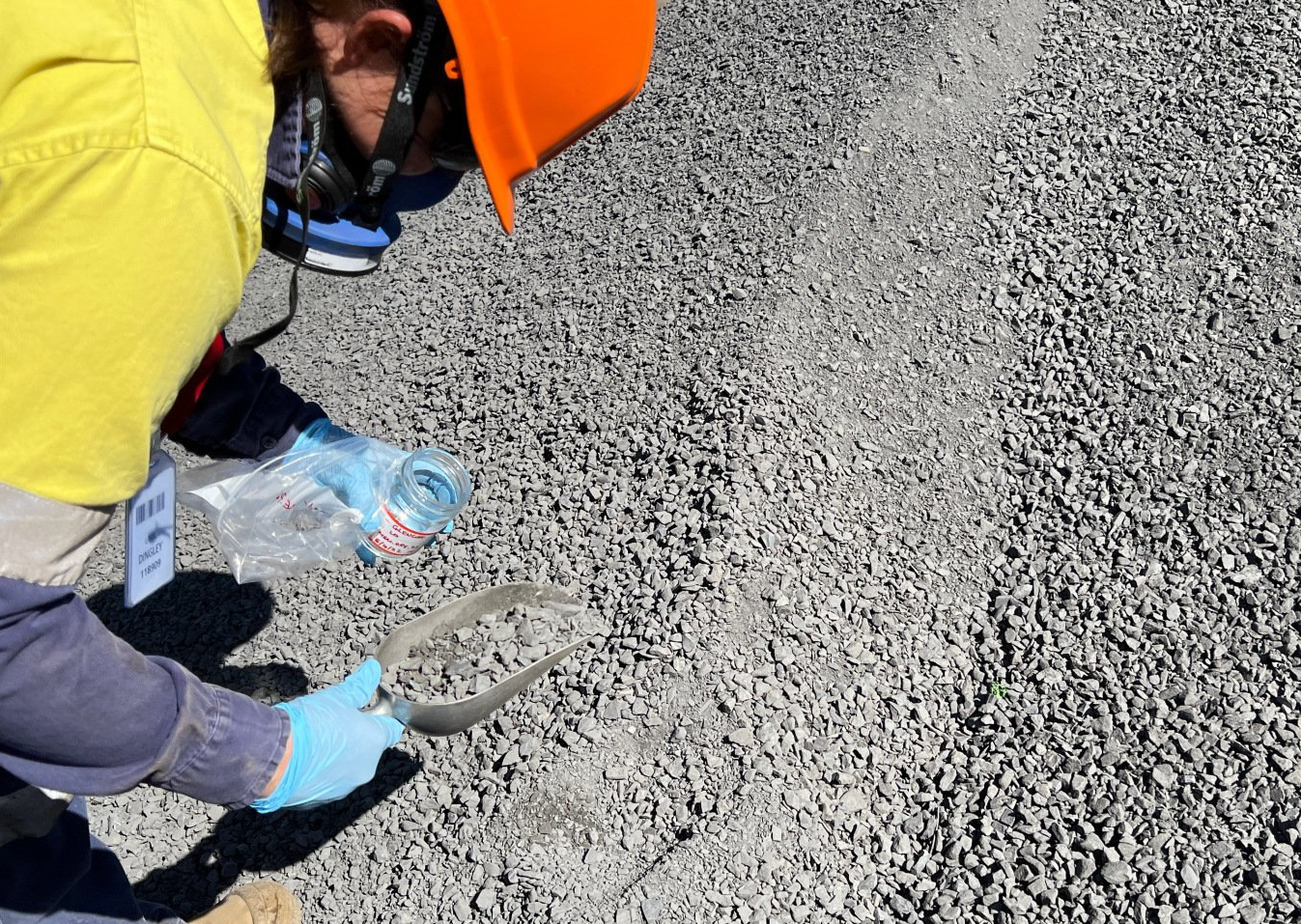
Large mining operations are often required to comply with corporate environmental standards in addition to legislative requirements and site-specific approvals. Implementing these standards across multiple operations requires more than updating existing documentation—it requires a thorough understanding of operational activities, environmental risks, existing management systems and the practical application of environmental controls across diverse sites. Dynamic Environmental Services was engaged by Glencore Queensland Metals to align multiple mining operations with Glencore's Biodiversity and Land Stewardship Environment Standard. The project extended across Mount Isa Mines, George Fisher Mine, Lady Loretta Mine and Townsville Queensland Metals operations (refinery and port), helping to provide a consistent framework for managing biodiversity and land stewardship while recognising the unique environmental values and operational risks of each site. The project commenced with a comprehensive review of existing environmental documentation, baseline studies and management systems. Gap analyses were undertaken to assess compliance with the corporate Environment Standard and identify opportunities to strengthen environmental management across the operations. Existing biodiversity information, management plans and monitoring programs were critically reviewed to determine where additional management measures, monitoring or documentation were required. Our team then facilitated biodiversity and land stewardship risk assessments, working closely with operational personnel and environmental teams to identify site-specific environmental values, key biodiversity risks, potential impacts and existing management controls. This collaborative approach ensured the final management framework reflected both environmental objectives and the practical realities of operating large, complex mining sites. Our Services included: Biodiversity and Land Stewardship Gap Analyses Biodiversity and Land Stewardship Risk Assessments Biodiversity Management Plan development Land Stewardship Management Plan development Biodiversity mapping and spatial management documentation Conservation significant flora and fauna management guidance Species fact sheets for environmental awareness and implementation Review of baseline environmental information Environmental management system improvements Stakeholder workshops and technical facilitation Recommendations for continual improvement and future management initiatives Rather than producing standalone management plans, Dynamic Environmental Services developed an integrated environmental management framework that connected biodiversity values, environmental risks, monitoring requirements and management controls into practical documents that could be implemented across multiple operations. Responsibilities, management actions and monitoring requirements were clearly defined, creating consistency while allowing flexibility for site-specific operational requirements. A significant component of the project involved developing practical guidance for conservation significant species known or likely to occur across the operations. Species profiles were prepared describing habitat requirements, threats, management controls and monitoring requirements, providing site personnel with practical information to support day-to-day environmental decision making and improve biodiversity awareness across the business. The completed management framework provided Glencore Queensland Metals with a structured approach to biodiversity and land stewardship that aligned corporate environmental expectations with practical site implementation. By integrating gap analyses, risk assessments, management planning and species guidance into a single framework, Dynamic Environmental Services helped establish a consistent approach to environmental management while supporting continual improvement across multiple mining operations. Outcomes Comprehensive gap analyses against Glencore's corporate Environment Standard Biodiversity and Land Stewardship Risk Assessments completed Site-specific Biodiversity and Land Stewardship Management Plans developed Conservation significant species guidance developed for site personnel Practical environmental management framework supporting continual improvement across multiple operations
By Lisel Dingley July 23, 2026
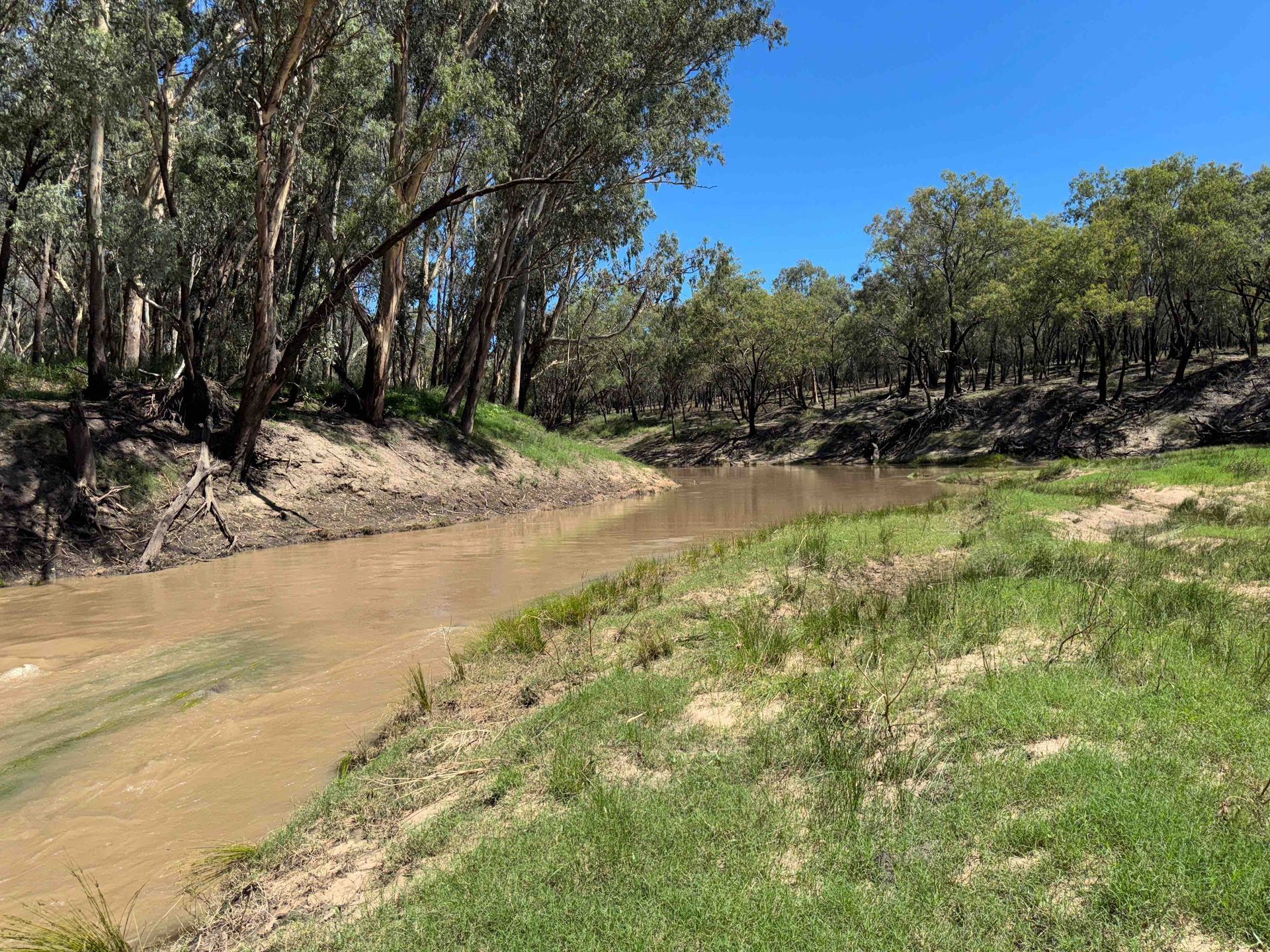
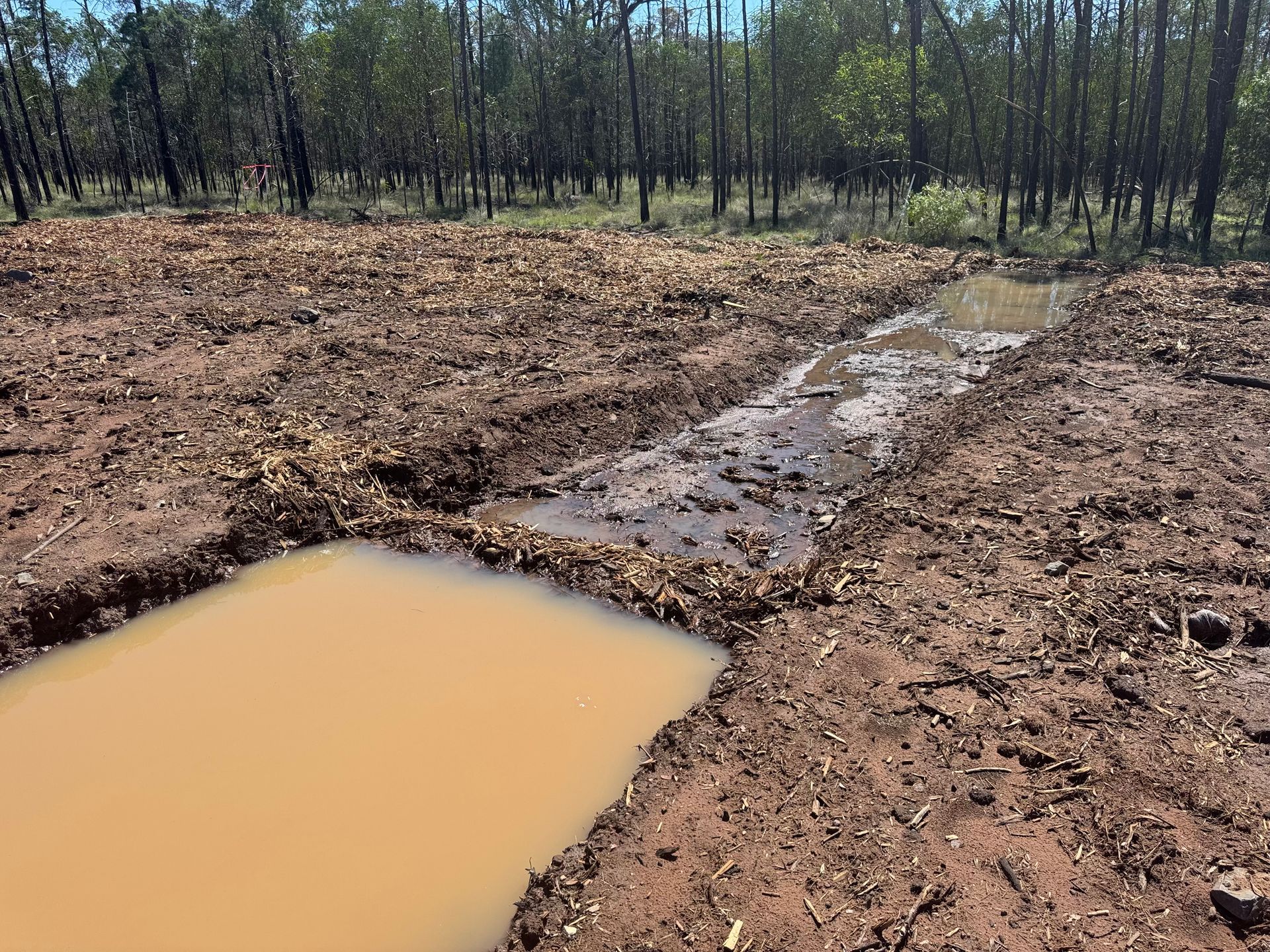
Construction within waterways presents some of the highest erosion and sediment control risks encountered on civil infrastructure projects. Successful planning requires more than selecting erosion and sediment control measures—it requires a thorough understanding of construction sequencing, river behaviour, environmental values, regulatory requirements and the practical realities of delivering works in a dynamic environment. Dynamic Environmental Services was engaged by Origin Energy to prepare a Construction Erosion and Sediment Control Plan (CESCP) for the construction of a bed level crossing within the Condamine River near Condamine, Queensland. The crossing was designed to provide dry-weather vehicle access while protecting the environmental values of the river and maintaining compliance with environmental and regulatory requirements. The project involved construction within a major waterway, requiring careful consideration of waterway barrier works requirements, river flows, rehabilitation, fish habitat protection, water quality and construction staging. Rather than developing a generic erosion and sediment control plan, Dynamic Environmental Services prepared a site-specific CESCP that integrated engineering design, environmental obligations and practical construction methodologies into a single management framework. Our services included: Construction Erosion and Sediment Control Plan (CESCP) preparation Erosion and sediment control risk assessment Construction staging and sequencing Waterway barrier works compliance Water quality protection strategies River flow management planning Site-specific erosion and sediment control design Rehabilitation planning Environmental approvals and legislative compliance review The CESCP was developed to provide practical guidance throughout all stages of construction, from clearing and earthworks through to rehabilitation. It considered seasonal erosion risks, anticipated river flow conditions, dispersive soils, construction timing and the need to minimise disturbance while maintaining construction efficiency. Flexible control measures were incorporated so they could be adapted to changing site conditions, river conditions and available construction resources. A key focus of the project was integrating erosion and sediment control into the construction methodology rather than treating it as a separate environmental requirement. Construction staging was developed to minimise disturbance within the river, reduce the duration of in-stream works, progressively rehabilitate completed areas and provide contingency measures for changing weather and river flow conditions. This provided the construction team with practical guidance that could be implemented efficiently while maintaining compliance with environmental requirements. By combining expertise in erosion and sediment control, rehabilitation, environmental approvals and construction planning, Dynamic Environmental Services developed a practical management framework that balanced environmental protection with efficient project delivery. Rather than prescribing a single approach, the plan provided flexibility to select appropriate control measures based on site conditions, weather, river flows and available construction resources, helping ensure environmental outcomes could be achieved without unnecessarily constraining construction activities. Outcomes Site-specific Construction Erosion and Sediment Control Plan for works within a major waterway Practical construction staging integrated with erosion and sediment control Compliance with waterway barrier works and environmental requirements Flexible erosion and sediment control measures tailored to changing site conditions Rehabilitation planning incorporated into the construction methodology Client Feedback "Dynamic Environmental Services were perfect for our project as they are local and were able to respond quickly, visit the site, and provide a fast turnaround for the development of plans. Lisel’s expert knowledge was indispensable and presented in an easily digestible way for the construction team to understand. Overall, their recommended solutions were practical, and easily implemented, which saved us time and money."
By Lisel Dingley July 23, 2026
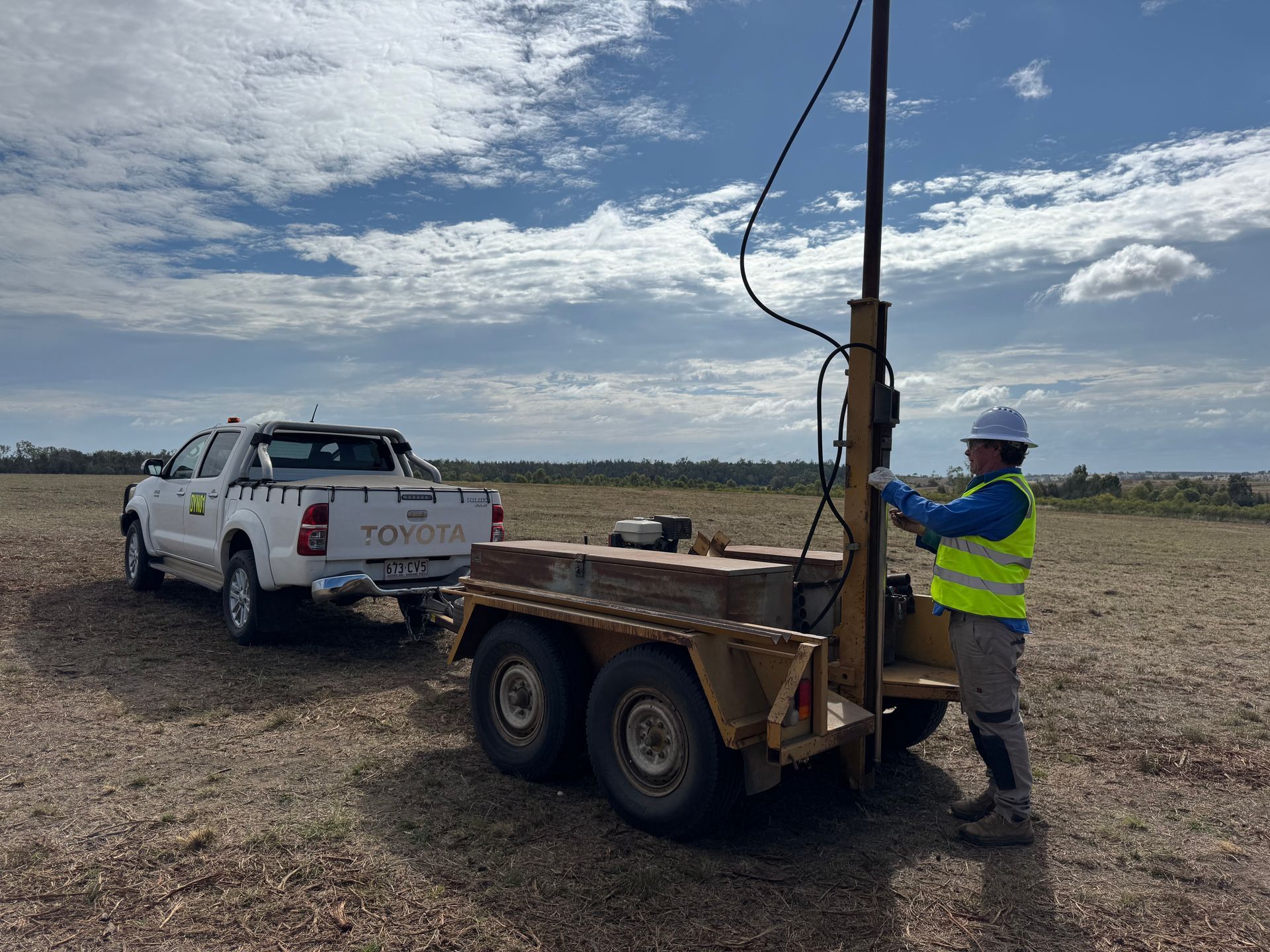
Successful rehabilitation begins long before construction is complete. Understanding the physical and chemical properties of the soil allows rehabilitation to be tailored to site conditions, improving vegetation establishment, reducing erosion risk and delivering more sustainable long-term outcomes. Dynamic Environmental Services was engaged by GRS to undertake a detailed soil investigation and develop a Rehabilitation Plan for the Wandoan South Solar 2 project in Queensland. The project required a comprehensive understanding of soil characteristics across the site to develop practical recommendations for soil amelioration, revegetation and long-term rehabilitation. Working in conjunction with agronomist David Hall, our team designed and implemented a comprehensive soil sampling program before interpreting the laboratory results to develop a rehabilitation approach tailored to the site's unique constraints. The recommendations considered not only vegetation establishment, but also erosion risk, soil stability, dispersive soils, nutrient deficiencies, construction sequencing and the long-term performance of rehabilitated areas. Rehabilitation on major infrastructure projects is often approached using generic specifications that assume soil conditions are relatively consistent across a site. However, soil characteristics can vary significantly over relatively short distances, particularly where dispersive, sodic and magnesic soils are present. Understanding these variations allows rehabilitation to be tailored to the specific constraints of a project, improving vegetation establishment while reducing erosion and long-term maintenance requirements. Our services included: Soil investigation and sampling program design Field soil assessment and landscape observations Laboratory testing program development Soil chemistry interpretation Dispersive and sodic soil assessment Soil fertility assessment Soil amelioration recommendations Fertiliser recommendations Species selection Rehabilitation planning Erosion risk assessment Long-term rehabilitation planning The investigation included the collection of 135 soil cores across 27 representative sampling areas , targeting both surface and subsoil profiles to understand the characteristics most likely to influence rehabilitation success. Laboratory testing assessed a broad range of physical and chemical soil properties, including aggregate stability, particle size distribution, exchangeable cations, nutrient status, salinity and pH, providing the information required to develop practical, evidence-based rehabilitation recommendations. The investigation identified widespread sodic and magnesic soils, highly dispersive soil conditions and significant nutrient deficiencies that had the potential to affect vegetation establishment, increase erosion risk and compromise long-term rehabilitation success. Rather than relying on standard rehabilitation specifications, Dynamic Environmental Services developed practical, evidence-based recommendations for soil amelioration, fertiliser application, species selection and rehabilitation methodologies tailored to the site's specific conditions. The rehabilitation recommendations also considered stockpile management, progressive rehabilitation, erosion protection measures, concentrated runoff from solar panel arrays and long-term monitoring requirements, providing the client with a practical framework to guide rehabilitation throughout construction and into the operational life of the project. By combining expertise in soil science, erosion and sediment control, rehabilitation and construction, Dynamic Environmental Services developed practical recommendations that could be readily implemented during construction while supporting long-term rehabilitation outcomes. The result was a rehabilitation approach that was scientifically informed, practical to deliver and tailored to the specific conditions of the site. Outcomes Site-specific rehabilitation recommendations based on detailed soil investigations Practical recommendations for soil amelioration, fertiliser and species selection Rehabilitation approach tailored to the site's soil and construction constraints Improved long-term vegetation establishment and land stability Reduced erosion and rehabilitation risks through evidence-based planning Client Feedback "Thank you for the recent Soil Sampling and Revegetation Plan. I would just like to mention that it was an absolute pleasure working with you and the whole Dynamic team. I was particularly impressed with Dynamics seamless interaction into our management systems and the high quality of communications both emails and phone calls which solved dilemmas and made decisions clear, simple and easy. Additionally, I would like to advise that our client was particularly impressed with the report which resolved several weeks of internal circular discussion upon their overnight review. In short, they were impressed with the quality, depth and thoroughness of the report which gave them the confidence to approve our site management plan."
By Lisel Dingley July 23, 2026
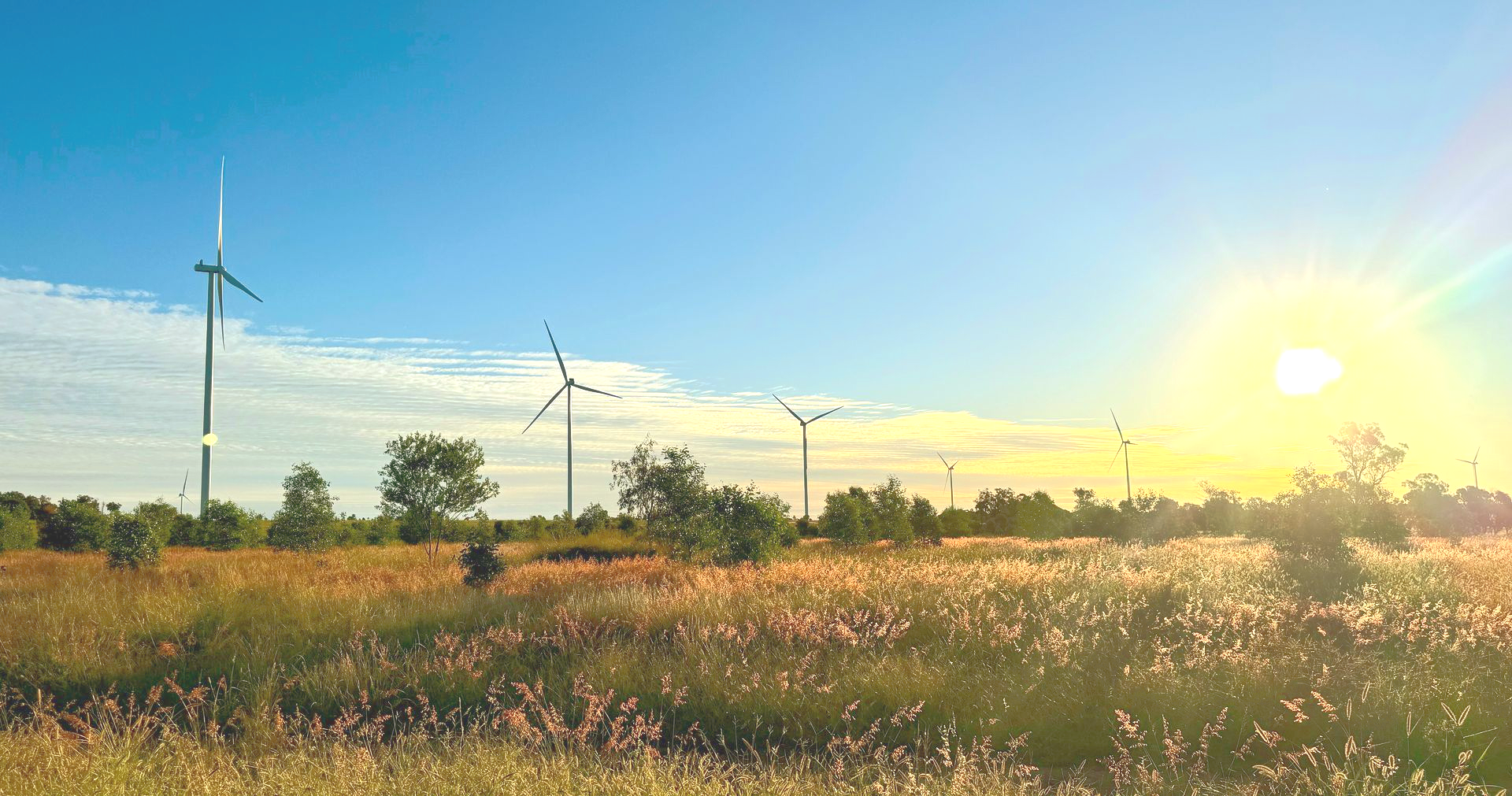
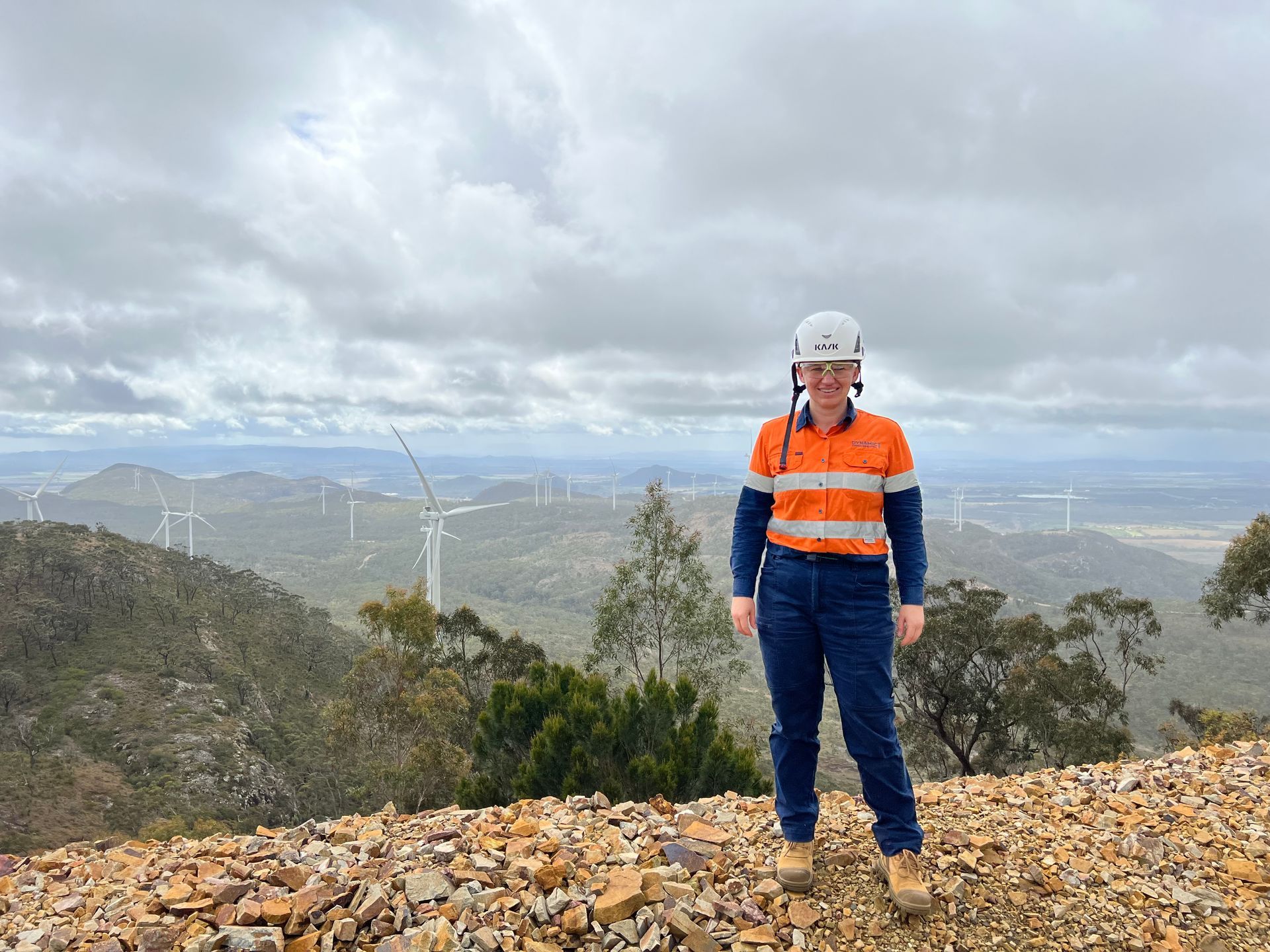
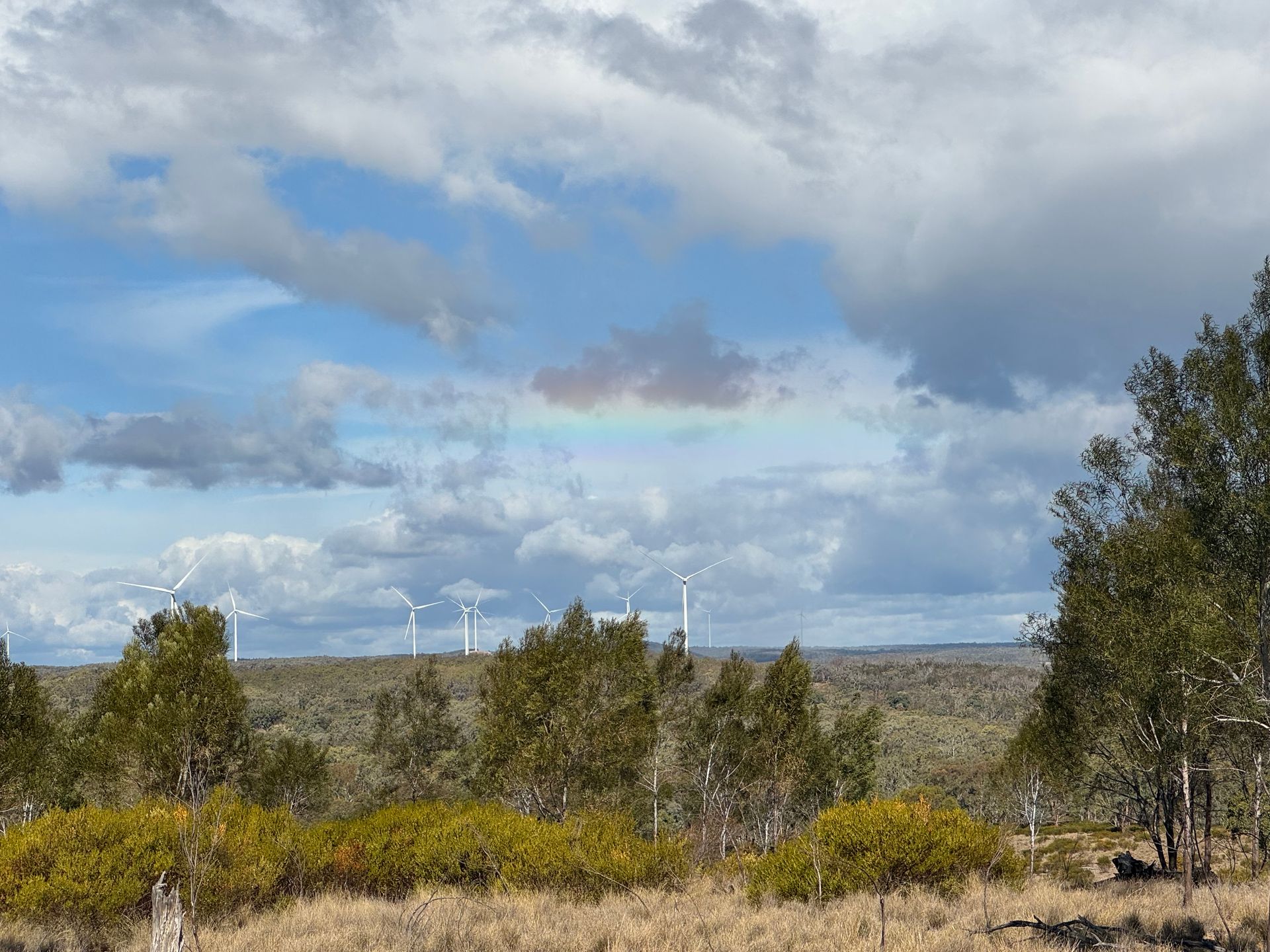
Major wind farm developments present a wide range of environmental challenges throughout construction. Large areas of disturbance, extensive access tracks and underground services, waterway crossings and multiple contractors require practical environmental management to maintain compliance while supporting efficient project delivery. Dynamic Environmental Services provided onsite environmental expertise to Vestas during the construction of the Dulacca Wind Farm and Wambo Wind Farm in Queensland. Acting as the onsite Environmental Professional for the EPC contractor, we worked closely with project personnel to oversee compliance, manage environmental risks and provide practical solutions to the day-to-day environmental challenges associated with wind farm construction. Our role extended across all aspects of environmental management during construction, providing practical advice across erosion and sediment control, rehabilitation, contaminated land, land management, waterway works, incident management and legislative compliance. Working closely with project teams allowed environmental risks to be identified early and practical solutions to be implemented before they became significant compliance issues. Our services included: Onsite environmental professional presence Environmental compliance Erosion and sediment control Sodic and dispersive soil management Contaminated land management Rehabilitation planning and implementation Land management advice Waterway barrier works Environmental incident management Environmental inspections and reporting Contractor environmental management Working as an embedded member of the construction team enabled us to provide timely advice, respond quickly to emerging environmental issues and develop practical solutions that could be implemented without unnecessarily impacting construction activities. Our practical construction experience allowed us to balance environmental obligations with project delivery, helping the project team proactively manage environmental risks throughout construction. Outcomes: Embedded environmental expertise throughout various construction stages Ongoing compliance with environmental obligations Proactive management of environmental risks Practical solutions that supported efficient project delivery Access to ongoing senior environmental expertise Client Feedback “Lisel and her team are incredibly knowledgeable, proactive, and efficient. They provide the correct advice in a timely manner, and execute any relevant scope provided to them in a positive way. Highly recommended!” "The Dynamic Team are my secret weapon!"
By Lisel Dingley June 12, 2026
Large water infrastructure projects often operate under complex approval frameworks involving multiple operators, contractors, monitoring programs and regulatory obligations. Demonstrating compliance requires more than simply collecting monitoring data; it requires robust systems, clear responsibilities and effective governance across all parties involved. Dynamic Environmental Services was engaged to undertake an independent compliance audit of a major regional scheme operating under an End of Waste Approval framework. The project involved a comprehensive review of approval conditions, operational records, monitoring data, annual reporting, management systems and field operations over a five-year audit period. A key challenge was the complexity of the operational and contractual arrangements supporting the scheme. Compliance obligations were shared across multiple organisations, requiring a detailed review of monitoring programs, reporting pathways, contractor responsibilities, operational procedures and evidence used to demonstrate compliance with approval conditions. Our services included: Independent third-party compliance auditing Review of approval conditions and regulatory obligations Review of monitoring data and compliance records Assessment of operational and management systems Site inspections and field verification Review of annual reporting and compliance documentation Identification of compliance risks and gaps Development of corrective actions and opportunities for improvement Review of contractor and governance arrangements Strategic advice regarding compliance management and reporting Rather than focusing solely on identifying non-compliances, our approach sought to understand the broader systems supporting compliance and identify opportunities to improve efficiency, governance and regulatory defensibility. This included reviewing monitoring programs, reporting processes, contractor oversight arrangements, data management systems and operational procedures. The audit identified a high level of overall compliance while also highlighting opportunities to strengthen monitoring, reporting and governance processes. Recommendations were developed to improve accountability, streamline compliance management and provide greater confidence that approval obligations could continue to be effectively met into the future. The project required balancing regulatory requirements, operational realities and practical implementation considerations. Particular attention was given to ensuring recommendations were achievable, proportionate and capable of being integrated into existing operational systems. Outcomes Independent assessment of compliance against approval conditions Comprehensive review of five years of operational records and monitoring data Identification of compliance risks and opportunities for improvement Practical corrective actions developed to address identified issues Improved understanding of compliance obligations and responsibilities Enhanced governance and contractor oversight recommendations Improved regulatory defensibility and audit readiness Increased confidence in ongoing compliance management  This project demonstrates Dynamic Environmental Services' capability to undertake detailed environmental compliance audits across complex infrastructure and operational projects. By combining regulatory knowledge with practical operational experience, we help clients understand their compliance position, reduce regulatory risk and develop systems that support long-term environmental performance.
By Lisel Dingley June 12, 2026
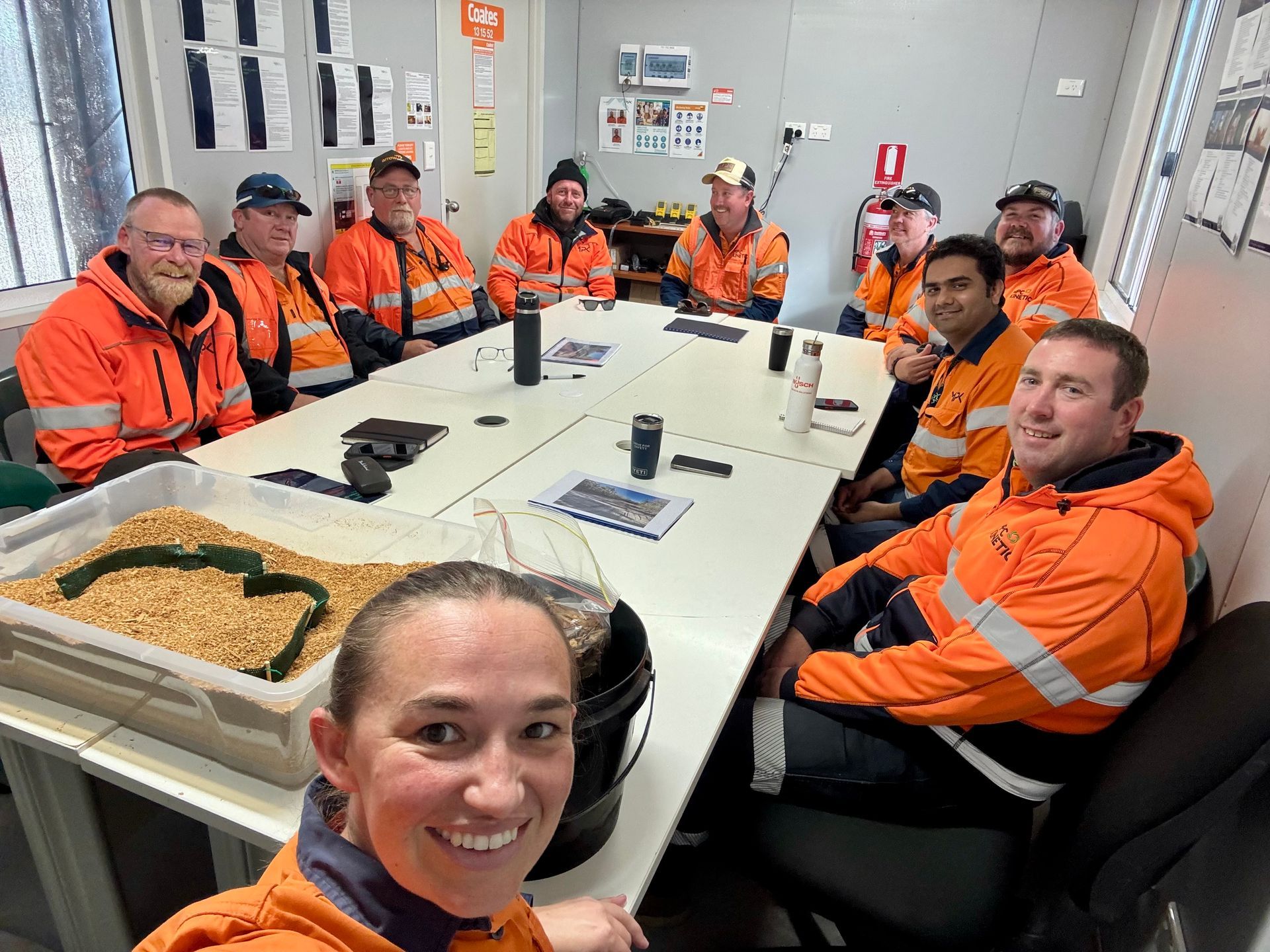
Linear infrastructure projects present unique erosion and sediment control challenges. Construction activities often extend across hundreds of kilometres, traversing multiple soil types, land uses, drainage features and landholder properties. Success depends not only on having a compliant Erosion and Sediment Control Plan (ESCP), but on ensuring the people delivering the works understand why controls are required, how they function and how they can be practically implemented in the field. Dynamic Environmental Services was engaged to develop and deliver a bespoke erosion and sediment control training program for personnel involved in the construction of linear gas infrastructure. The program was specifically tailored to the client's construction methodologies, project constraints and environmental risks, ensuring the content was directly relevant to the work being undertaken on site. Rather than relying on generic training materials, the course was built around real project examples, site photographs and common challenges encountered during construction. Photographs from the client's own projects were used to demonstrate both effective and ineffective erosion and sediment control practices, encouraging practical discussion around how outcomes could be improved. To further enhance understanding, Dynamic developed a series of scaled physical models and demonstration props which were used throughout the training to illustrate key erosion and sediment control concepts. These models allowed participants to visualise how water moves across disturbed land, how erosion occurs and how different control measures function in practice. The training was delivered to a diverse audience including environmental professionals, civil supervisors and plant operators. This multidisciplinary approach helped establish a common understanding of erosion and sediment control requirements across all levels of the project team, improving communication and consistency in the field. Our services included: Development of a bespoke erosion and sediment control training program Preparation of project-specific training materials Development of scaled demonstration models and training props Review and incorporation of project-specific photographs and case studies Training delivery to environmental personnel, supervisors and operators Practical demonstrations of erosion and sediment control principles Guidance on linear infrastructure construction challenges Discussion of constructability considerations and field constraints Ongoing technical support and advice The training focused on practical application rather than theory alone. Particular attention was given to understanding clean and dirty water management, diversion banks, whoa boys, sediment traps, sediment fencing, stockpile management, waterway crossings and the relationship between construction activities and environmental outcomes. Participants were encouraged to discuss site-specific challenges and identify practical solutions that could be implemented during construction. Outcomes Increased understanding of erosion and sediment control principles across project teams Improved consistency in the implementation of erosion and sediment control measures Enhanced communication between environmental staff, supervisors and operators Greater awareness of environmental risks associated with linear infrastructure construction Practical knowledge directly applicable to field activities Improved confidence in interpreting and implementing ESCP requirements Increased capability within the workforce to identify and address erosion and sediment risks Training tailored to the client's projects, construction methods and operational requirements  This project demonstrates Dynamic Environmental Services' ability to deliver engaging, practical and project-specific environmental training programs. By combining technical expertise with real-world construction experience, we help project teams move beyond compliance and develop a genuine understanding of how environmental controls can be successfully implemented in the field.
By Lisel Dingley June 12, 2026
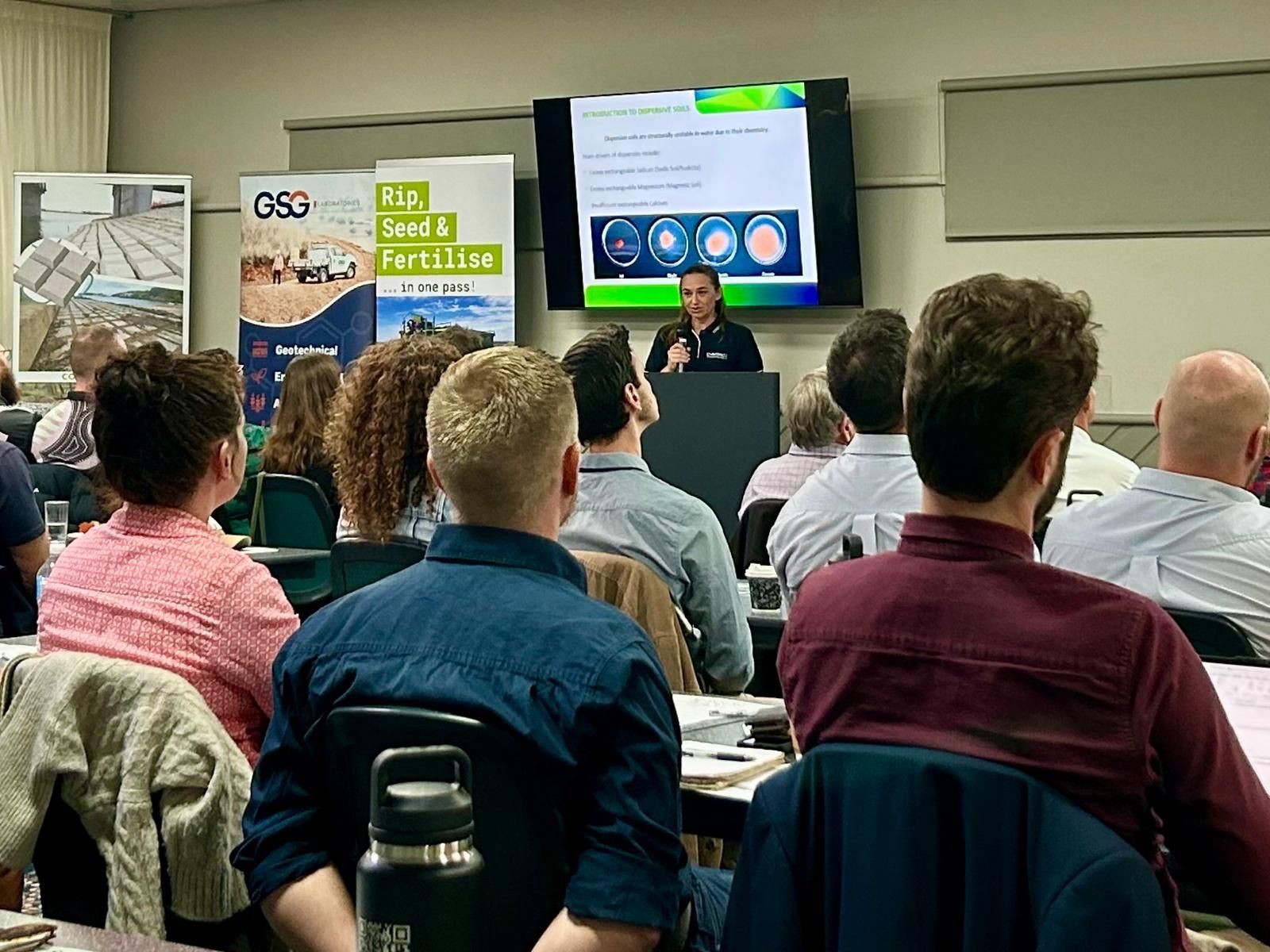
Improving environmental outcomes requires more than plans, procedures and compliance requirements. It requires people across the industry to understand why environmental issues occur, how risks can be identified early and what practical solutions can be implemented in the field. Dynamic Environmental Services regularly develops and delivers technical training, conference presentations and industry workshops focused on erosion and sediment control, soil science, rehabilitation and environmental risk management. Drawing on experience across renewable energy projects, our presentations combine technical knowledge with practical field experience, providing attendees with real-world examples of environmental challenges and lessons learned from construction and operational projects. Recent presentations have been delivered to industry conferences, professional associations and engineering organisations, including erosion and sediment control specialists, environmental professionals, engineers, project managers, supervisors and decision-makers responsible for environmental performance and project delivery. A key focus of these presentations is bridging the gap between environmental requirements, engineering design and field implementation. Topics are selected to address common industry challenges, encourage critical thinking and promote practical, evidence-based approaches to environmental management. Presentation topics have included: Erosion and sediment control design and implementation Dispersive soils and erosion risk management Rehabilitation planning and revegetation challenges Renewable energy construction and environmental management Drainage design and constructability considerations Soil science for environmental practitioners and engineers Environmental risk management and compliance Lessons learned from large-scale infrastructure projects Practical approaches to achieving sustainable rehabilitation outcomes Rather than relying solely on theory or guideline requirements, presentations are developed using project case studies, field observations, technical investigations and practical examples gathered across a wide range of construction and operational environments. This approach allows attendees to better understand not only what environmental controls are required, but why they are necessary and how they can be successfully implemented. Many sessions are tailored to the specific audience, ensuring the content is relevant to their role, level of experience and project challenges. Whether presenting to specialist environmental professionals, engineering teams or project delivery personnel, the focus remains on providing practical knowledge that can be applied immediately in the workplace. Outcomes: Improved understanding of erosion, sediment control and rehabilitation principles Greater awareness of environmental risks associated with construction activities Enhanced collaboration between environmental and engineering disciplines Increased capability to identify and manage environmental risks early Practical lessons learned shared across industry sectors Improved understanding of soil-related constraints and rehabilitation challenges Increased confidence in environmental decision-making Better integration of environmental considerations into project planning and design  Through conference presentations, workshops and tailored training programs, Dynamic Environmental Services continues to contribute to the development of industry knowledge and the improvement of environmental practices across Australia.
By Lisel Dingley June 12, 2026
Environmental incidents rarely occur at convenient times or locations. When they do occur, project operators need experienced environmental professionals who can respond quickly, assess potential risks and provide practical advice to support decision-making. Dynamic Environmental Services was engaged to provide urgent environmental support following an operational incident at a remote renewable energy facility. The incident required rapid mobilisation to site, environmental assessment, contamination investigation and advice regarding appropriate management actions to minimise environmental risk. A key challenge was the remote location of the site and the need to assess potential impacts quickly. Timely attendance was important to understand the nature and extent of the incident, identify any immediate environmental risks and provide confidence that appropriate controls and management measures were in place. Our services included: Rapid mobilisation and site attendance Environmental incident investigation Assessment of potential impacts to land, water and ecological values Delineation of the potentially affected area Soil sampling and contamination assessment Environmental risk assessment Regulatory advice and notification support Development of remediation and monitoring recommendations Review of spill response measures and site controls Review of environmental management systems and procedures Development of operational improvement recommendations The assessment identified that the incident was localised and that environmental risks could be effectively managed through a targeted remediation and monitoring program. Rather than adopting an unnecessarily disruptive response, Dynamic developed a practical and proportionate management strategy that focused on protecting environmental values while minimising disturbance to the site. The project also provided an opportunity to review broader environmental incident preparedness measures. Recommendations were developed to strengthen spill response capability, improve environmental management documentation and enhance future incident response processes across similar operational assets. The project required balancing environmental protection, regulatory expectations, operational requirements and practical site constraints. Particular consideration was given to potential downstream environmental receptors, weather conditions and the need to implement management measures quickly and effectively. Outcomes Rapid deployment to a remote operational site Timely assessment of environmental risks and potential impacts Practical and proportionate remediation strategy developed Environmental risks effectively managed and monitored Regulatory obligations supported and addressed Improved environmental incident preparedness Enhanced spill response capability and management procedures Increased client confidence in environmental risk management This project demonstrates Dynamic Environmental Services' ability to provide responsive, practical and technically robust support when environmental incidents occur. Whether responding to contamination events, spills, community complaints or regulatory matters, our team can rapidly mobilise to assess risks, develop solutions and help clients protect the environment while maintaining operations. Client Feedback "I was referred to Lisel by a colleague after seeking support/advice for an environmental incident at one of our QLD sites. I spoke with Lisel on the phone and received support instantly regarding control measures to minimise any environmental impacts. Lisel was on a plane the next day and on site providing guidance/support. Lisel’s expertise and guidance were the key factors in effectively handling this environmental incident."
By Lisel Dingley June 11, 2026
Large industrial sites often inherit decades of historical activities, leaving a legacy of poorly understood contaminated land issues. Over time, these sites can accumulate multiple contamination concerns, varying levels of historical investigation, changing regulatory requirements and uncertainty regarding actual environmental and human health risks. Dynamic Environmental Services was engaged to assist a major industrial operation with the assessment and management of a large portfolio of legacy contaminated land sites. The project involved reviewing, investigating and prioritising numerous contamination issues across a large operational footprint, including contaminants such as asbestos, heavy metals and agricultural chemicals. A key challenge was developing a consistent and defensible approach to understanding risk, prioritising actions and ensuring resources were directed toward areas presenting the greatest environmental, regulatory and community risk. Our services included: Site inspections and historical information review Development of contamination investigation strategies Preparation of sampling and analysis plans Source and soil sampling programs Data interpretation and comparison against relevant guidelines and investigation criteria Development of site-specific investigation and assessment criteria Coordination of specialist environmental and human health risk assessments Regulatory notifications and stakeholder engagement Design and implementation of interim risk management measures Development of remediation and management strategies Management of remediation contractors and field activities Preparation of ongoing management plans Development of streamlined internal processes and decision-making frameworks Rather than treating each issue as a standalone project, our approach focused on developing a structured and repeatable framework for assessing contamination risks across the entire operation. This allowed investigation efforts, risk assessments and remediation activities to be prioritised based on actual risk, while improving consistency, efficiency and regulatory defensibility. The project required balancing environmental protection, human health considerations, operational requirements, regulatory expectations and budget constraints. Particular attention was given to potential impacts on surrounding communities and environmentally sensitive areas, ensuring risk management decisions were supported by robust technical evidence. Outcomes Improved understanding of legacy contamination risks across the operation Development of a consistent and defensible contaminated land assessment framework More effective prioritisation of investigation and remediation activities Reduced regulatory risk and improved compliance outcomes Practical and cost-effective risk management strategies implemented Protection of environmental values and community health Improved internal capability to manage future contaminated land issues
By Lisel Dingley June 11, 2026
Developing major waste infrastructure requires the coordination of multiple technical disciplines, regulatory pathways, stakeholders and approvals processes. Without effective project management, even well-designed projects can experience delays, scope creep, increased costs and avoidable approvals, construction and operational risks. Dynamic Environmental Services was engaged to provide project management and client-side representative services for the planning and approvals of a new regional waste management facility with a projected development value exceeding $20 million. The proposed facility was to be developed on a site subject to an existing Environmental Authority and Mining Lease, creating a complex approvals pathway. Acting on behalf of the client, our role was to coordinate specialist inputs, manage project delivery and ensure technical, regulatory and commercial considerations remained aligned throughout the planning and approvals process. Our services included: Project planning and programme management Principal's Representative services Coordination of environmental, engineering and specialist consultants Development of detailed scopes of work for technical investigations Procurement support and tender evaluation Review of consultant deliverables and technical studies Environmental Authority application development Advice regarding mining lease relinquishment and existing environmental obligations Stakeholder and regulator engagement Risk identification and management Integration of multidisciplinary technical inputs Quality assurance and strategic project oversight A key challenge of the project was coordinating multiple workstreams while ensuring all technical studies, approvals pathways and project decisions remained aligned with the client's long-term objectives. Our role was not to replace specialist consultants, but to ensure their outputs were integrated into a cohesive, defensible and deliverable approvals strategy. By acting as a single point of coordination between the client, regulators and specialist consultants, we were able to provide clear direction, maintain project momentum and help reduce the risk of costly rework later in the approvals process. Outcomes Improved coordination across multiple technical disciplines Streamlined procurement and consultant management processes Clearer alignment between project objectives and technical deliverables Reduced approvals and programme risk Efficient integration of specialist consultant inputs Ongoing progress toward a defensible and deliverable approvals pathway
By Lisel Dingley June 10, 2026
Linear infrastructure projects present unique erosion and sediment control challenges. Construction often occurs across long distances, traversing multiple soil types, land uses and drainage features, while operating within tight construction footprints and even tighter project timeframes. Dynamic Environmental Services has supported gas infrastructure projects involving civil construction of well pad and installation of gathering networks by developing practical, site-specific erosion and sediment control solutions tailored to the realities of construction in the field. Rather than relying solely on desktop assessments, our approach involves visiting sites, understanding the landscape, reviewing soil conditions, speaking directly with project personnel and gaining an understanding of construction methodologies and operational constraints. This allows erosion and sediment control measures to be designed with both environmental performance and constructability in mind. Our services included: Preparation of Erosion and Sediment Control Plans (ESCPs) Site inspections and field assessments Identification and management of dispersive soils and erosion risks Development of project-specific ESC standard drawings and details ESC advice for well pad construction and gathering Rapid turnaround for changing project timeframes ESC inspections and compliance advice ESC training for environmental professionals, civil supervisors and plant operators Ongoing technical support throughout project delivery By understanding both environmental requirements and construction constraints, we were able to develop solutions that could be effectively implemented in the field while maintaining compliance with project requirements. Outcomes Practical and constructable ESC solutions developed Site-specific controls tailored to local soil and landscape conditions Improved understanding of ESC requirements among project personnel Rapid technical support provided to meet construction timeframes Reduced risk of erosion, sediment release and environmental non-compliance ESC measures designed to be both effective and achievable in the field
By Lisel Dingley June 10, 2026
Development of a Bespoke Rehabilitation Strategy
By Lisel Dingley September 29, 2022
With hydrogen a new and emerging industry, associated development applications are being closely analysed. Our client’s development approval application had been denied due to an insufficient Environmental Management Plan. As an emerging technology, there are limited real world examples to lean on, so we worked closely with our client to understand their vision of an integrated solar, battery, air water generation and hydrogen project. Of particular importance to the Council was fire and explosion mitigation, and we drew on our complementary safety expertise to appropriately address this aspect. We prepared an Environmental Management Plan for resubmission to council, working closely with our client and their legal team to deliver a document which was accepted, unqueried, by the Council. Through this process, we also identified opportunities for improvement in their existing Environmental Authority and suggested amendments to improve compliance achievability once the site is operation. This is the second disputed development approval application we have successfully assisted. Previously, a client’s application for a brewery had been disputed by the council. We prepared a thorough assessment against relevant planning legislation for also, an undisputed approval. This project was located proximal to a high-risk flood zone and residential areas, which required careful consideration and justification. Both projects were supported by our in-house draftsperson (Surveyor & Civil Engineer) who produced supporting mapping.
By Jai Warner September 29, 2022
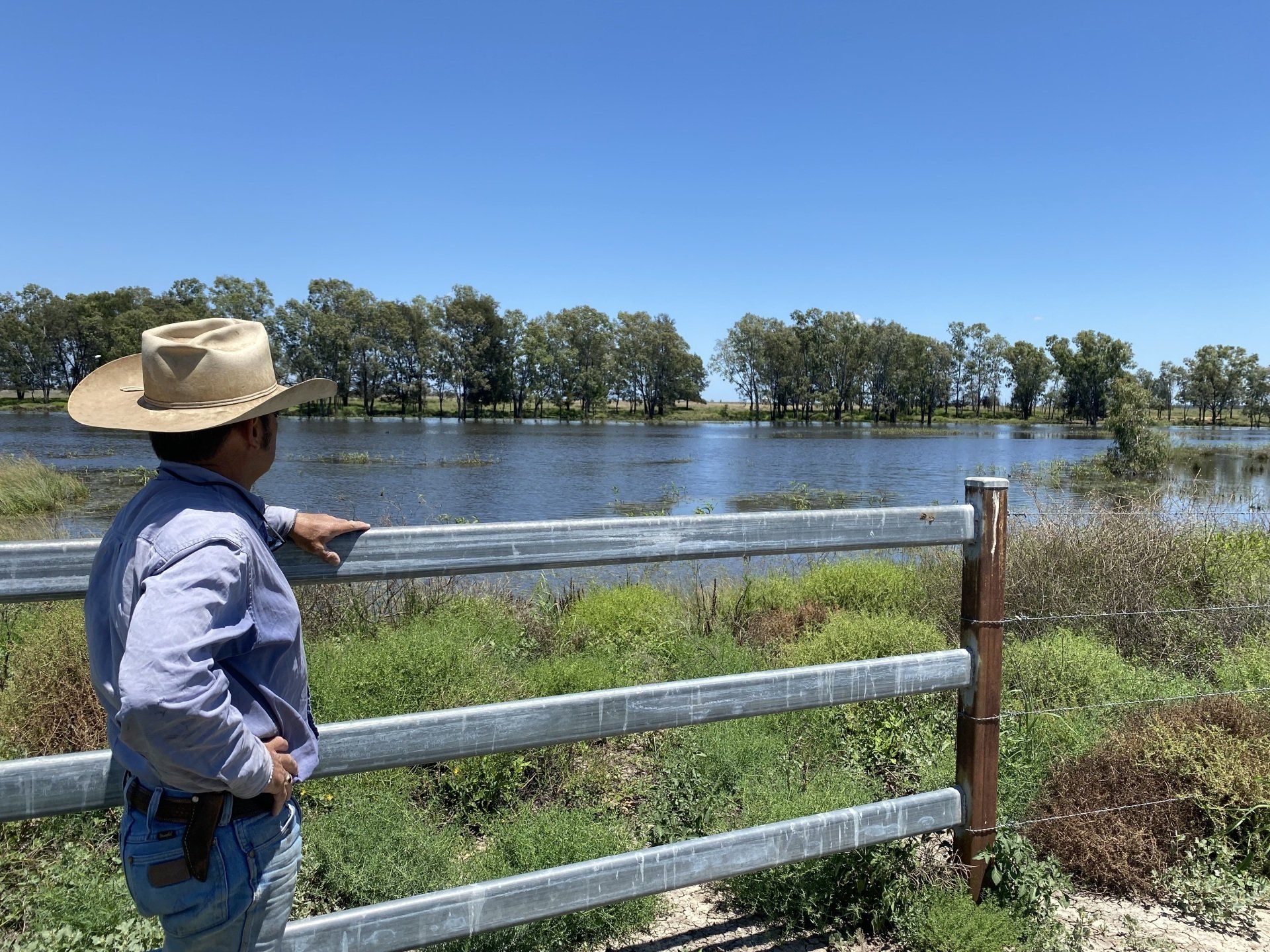
With a track record of delivering natural resource management projects since our original inception back in 2015, we were called on to support a project behind schedule. 2020/2021 was a challenge for everyone, and Covid lockdowns had prevented the necessary property visits to move the project along. The project aimed to protect 510km of riparian areas on priority waterways throughout Southern Queensland from grazing pressures, by supporting landholders to erect fences. When we took over the project in late November 2021, 166km had been executed. Although floods, Covid, Christmas, and more floods challenged us at every turn, by the start of February 2022, we had communicated over the phone with more than 60 landholders, completed more than 40 property inspections, and contracted 372km of fencing, well exceeding targets. 
By Dynamic Environmental Services September 18, 2022
Large construction projects often require experienced environmental personnel to support project teams, maintain compliance and manage environmental risks throughout construction. However, recruiting and retaining suitably experienced environmental professionals can be challenging, particularly for regional projects and rapidly expanding project teams. Dynamic Environmental Services provided environmental support during the construction of utility-scale solar farm developments in regional Queensland. Working closely with project owners, contractors and site personnel, our environmental professionals assisted with compliance management, environmental inspections, stakeholder engagement and the day-to-day environmental challenges associated with large-scale construction projects. In addition to providing onsite environmental support, our team acted as a critical link between project owners, contractors, regulators, landholders and the local community, helping ensure environmental obligations were understood and effectively implemented throughout construction. Our services included: Environmental inspections and monitoring Environmental compliance management Review of compliance against Development Approval conditions Contractor environmental management Environmental audits Investigation and management of environmental issues Land management advice relating to erosion, weeds and pest management Stakeholder, landholder and community engagement Environmental reporting and project support Coordination of specialist contractors Unlike traditional labour hire arrangements, our personnel were supported by senior environmental professionals throughout the project. This provided the client with access to additional technical expertise, strategic advice and project management experience whenever required, ensuring complex issues could be addressed quickly and effectively. Our local knowledge, combined with practical construction experience and ongoing Principal-level support, allowed us to develop solutions that were both compliant and practical for implementation in the field. This helped project teams manage environmental risks while maintaining positive relationships with regulators, landholders and the surrounding community. Outcomes No compliance action Ongoing compliance with project approval requirements Positive relationships maintained with local stakeholders Access to senior environmental expertise without the need for additional permanent personnel