Linear infrastructure projects present unique erosion and sediment control challenges. Construction activities often extend across hundreds of kilometres, traversing multiple soil types, land uses, drainage features and landholder properties. Success depends not only on having a compliant Erosion and Sediment Control Plan (ESCP), but on ensuring the people delivering the works understand why controls are required, how they function and how they can be practically implemented in the field.
Dynamic Environmental Services was engaged to develop and deliver a bespoke erosion and sediment control training program for personnel involved in the construction of linear gas infrastructure. The program was specifically tailored to the client's construction methodologies, project constraints and environmental risks, ensuring the content was directly relevant to the work being undertaken on site.
Rather than relying on generic training materials, the course was built around real project examples, site photographs and common challenges encountered during construction. Photographs from the client's own projects were used to demonstrate both effective and ineffective erosion and sediment control practices, encouraging practical discussion around how outcomes could be improved.
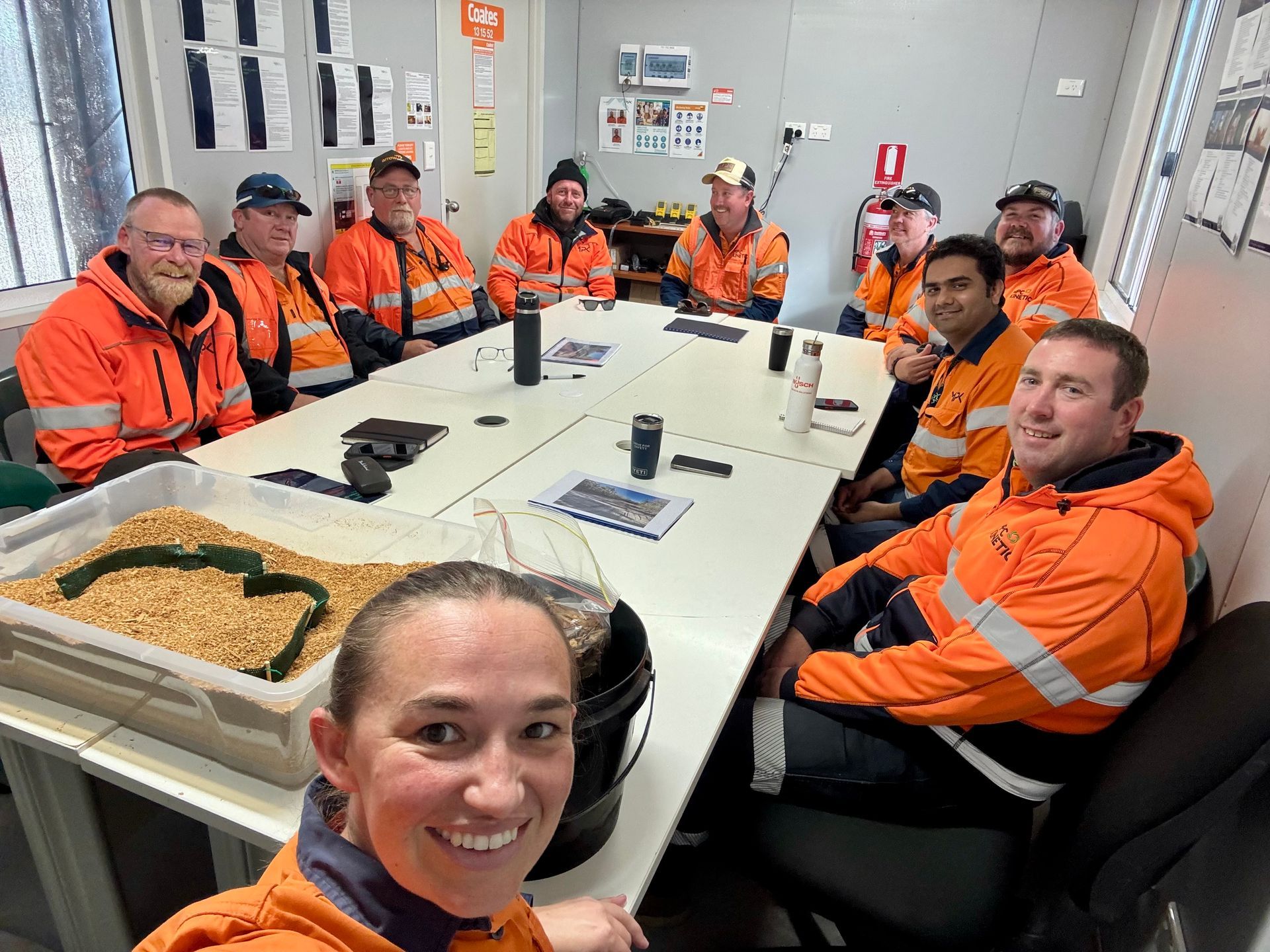
To further enhance understanding, Dynamic developed a series of scaled physical models and demonstration props which were used throughout the training to illustrate key erosion and sediment control concepts. These models allowed participants to visualise how water moves across disturbed land, how erosion occurs and how different control measures function in practice.
The training was delivered to a diverse audience including environmental professionals, civil supervisors and plant operators. This multidisciplinary approach helped establish a common understanding of erosion and sediment control requirements across all levels of the project team, improving communication and consistency in the field.
Our services included:
- Development of a bespoke erosion and sediment control training program
- Preparation of project-specific training materials
- Development of scaled demonstration models and training props
- Review and incorporation of project-specific photographs and case studies
- Training delivery to environmental personnel, supervisors and operators
- Practical demonstrations of erosion and sediment control principles
- Guidance on linear infrastructure construction challenges
- Discussion of constructability considerations and field constraints
- Ongoing technical support and advice
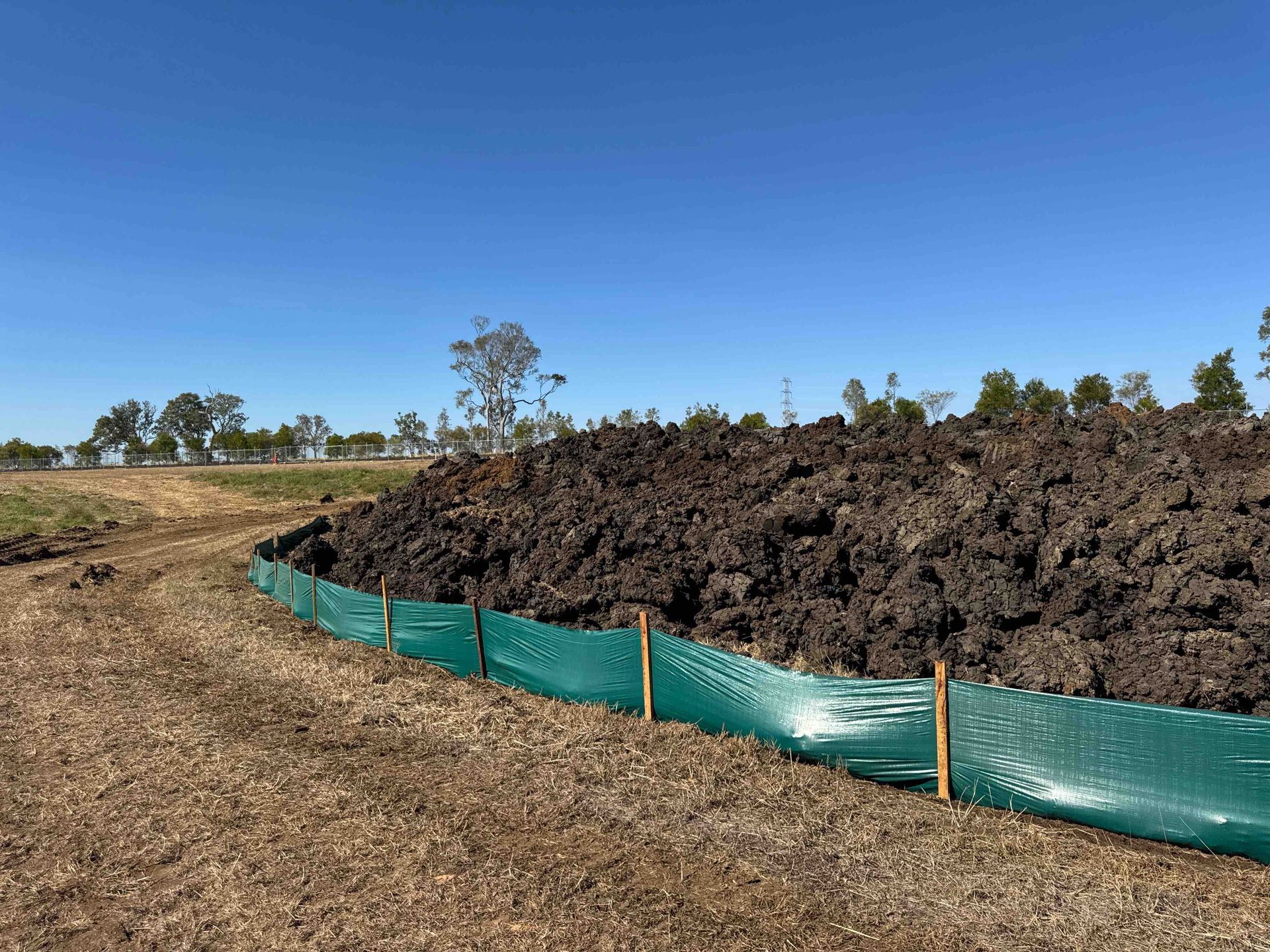
The training focused on practical application rather than theory alone. Particular attention was given to understanding clean and dirty water management, diversion banks, whoa boys, sediment traps, sediment fencing, stockpile management, waterway crossings and the relationship between construction activities and environmental outcomes. Participants were encouraged to discuss site-specific challenges and identify practical solutions that could be implemented during construction.
Outcomes
- Increased understanding of erosion and sediment control principles across project teams
- Improved consistency in the implementation of erosion and sediment control measures
- Enhanced communication between environmental staff, supervisors and operators
- Greater awareness of environmental risks associated with linear infrastructure construction
- Practical knowledge directly applicable to field activities
- Improved confidence in interpreting and implementing ESCP requirements
- Increased capability within the workforce to identify and address erosion and sediment risks
- Training tailored to the client's projects, construction methods and operational requirements
This project demonstrates Dynamic Environmental Services' ability to deliver engaging, practical and project-specific environmental training programs.
By combining technical expertise with real-world construction experience, we help project teams move beyond compliance and develop a genuine understanding of how environmental controls can be successfully implemented in the field.