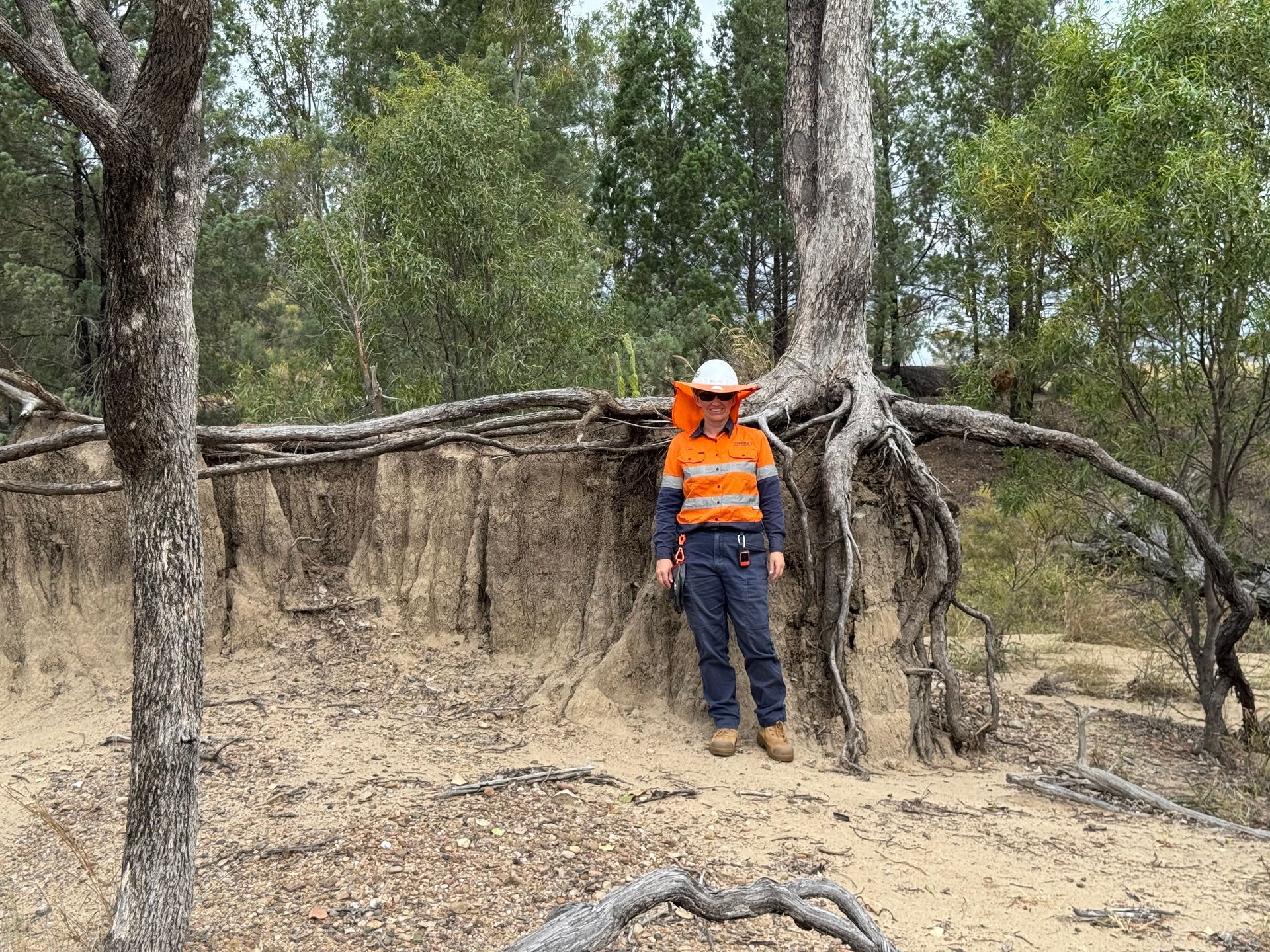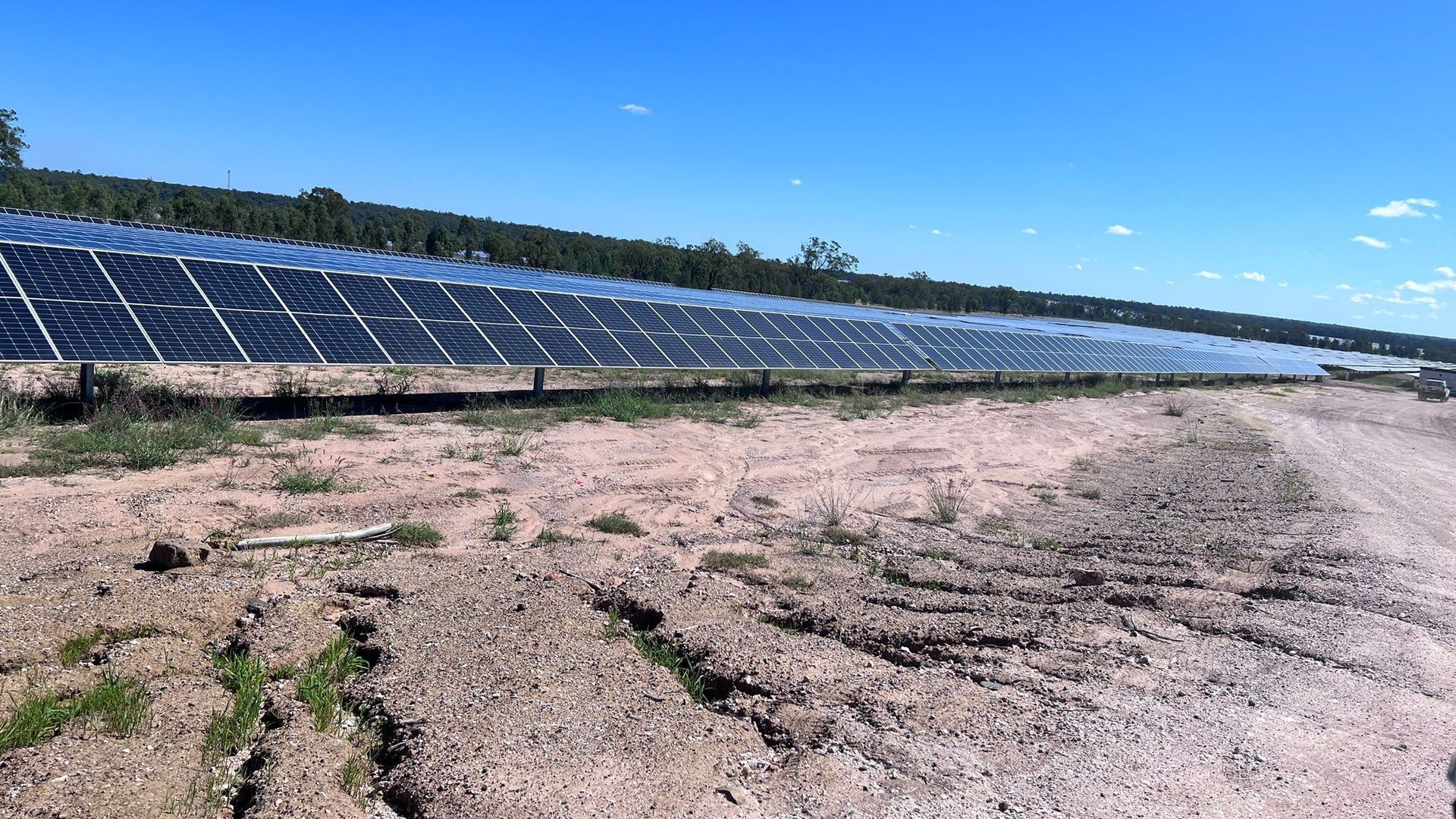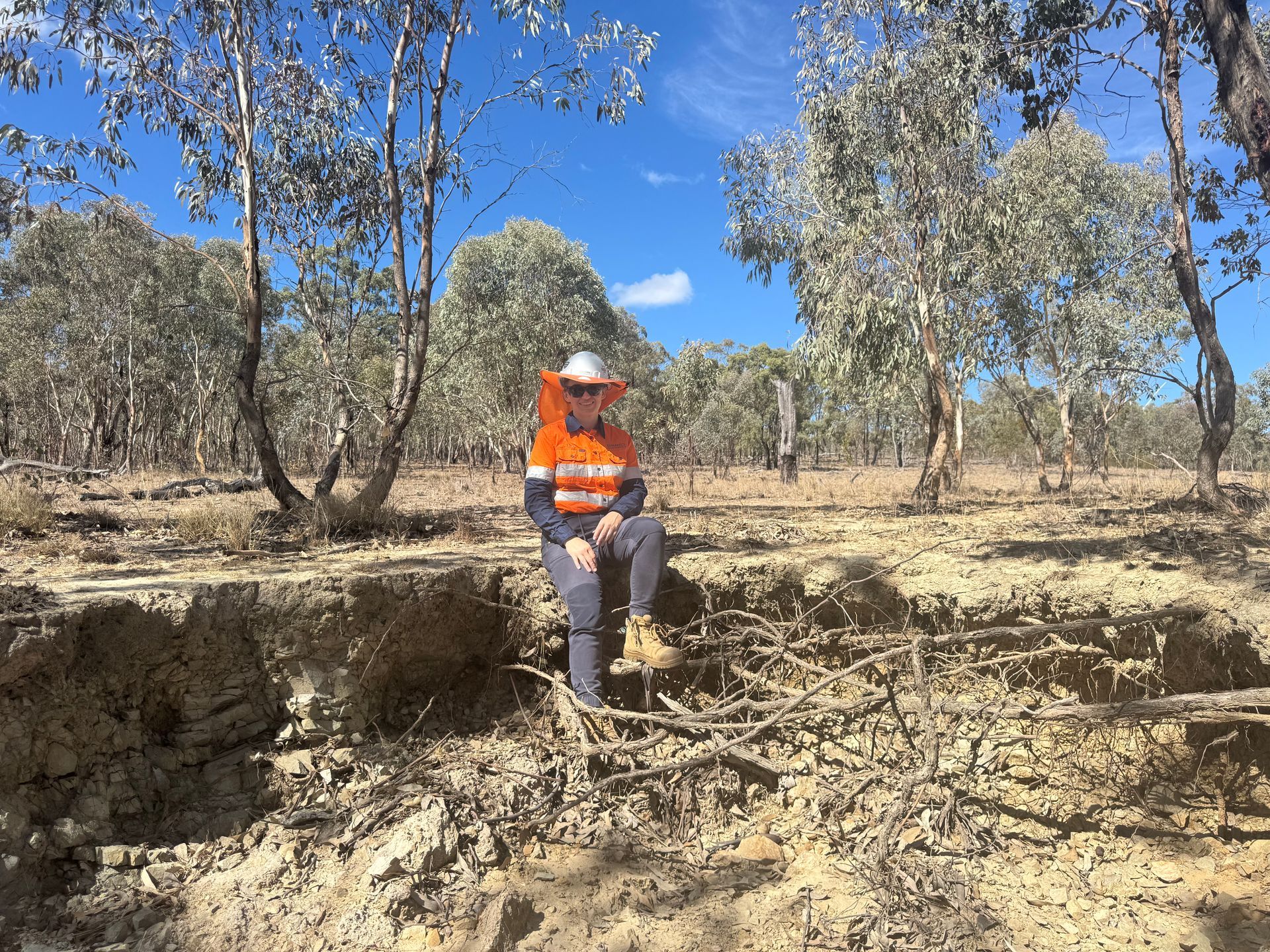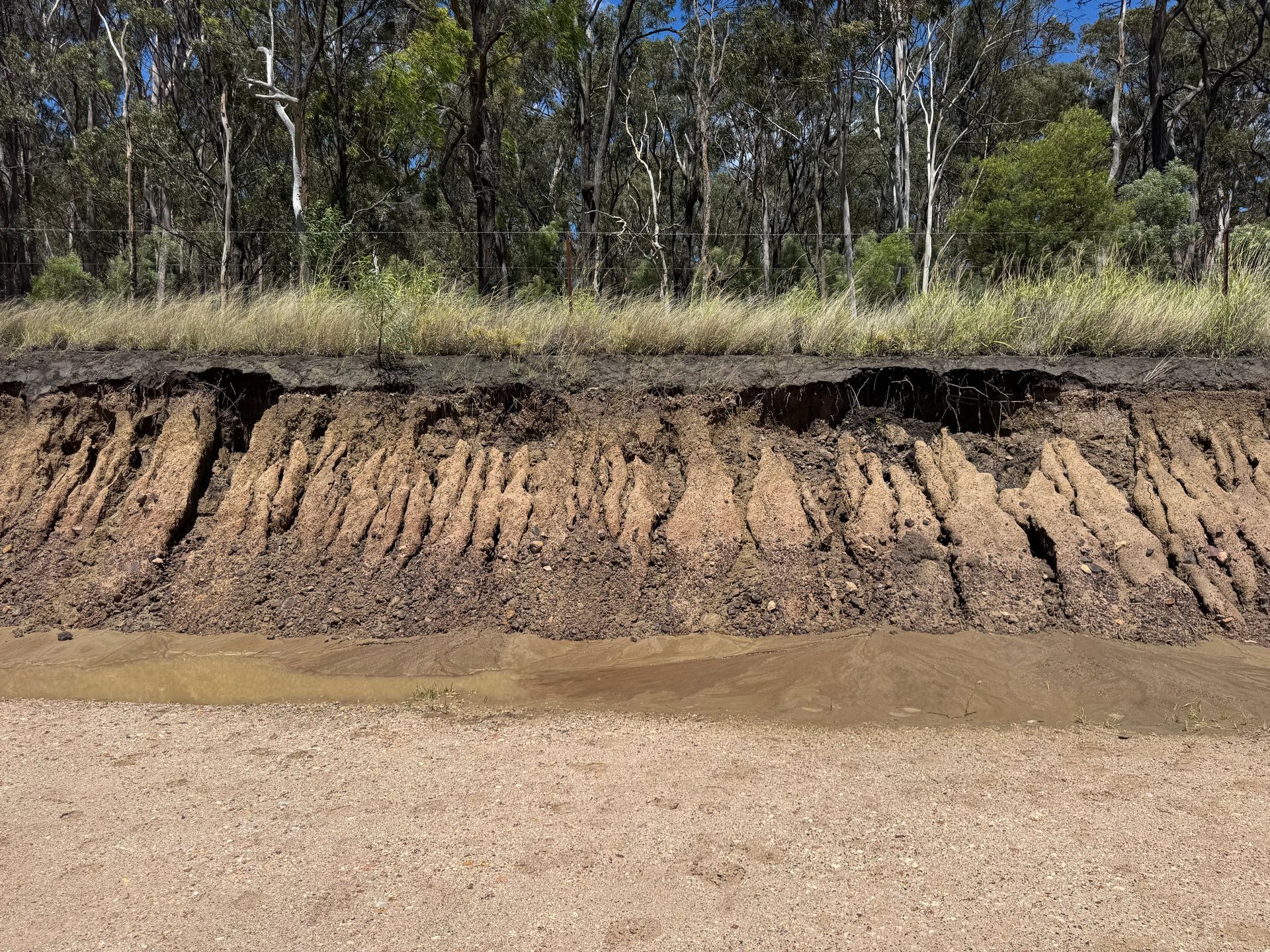
Erosion and Sediment Control

Erosion & Sediment Control

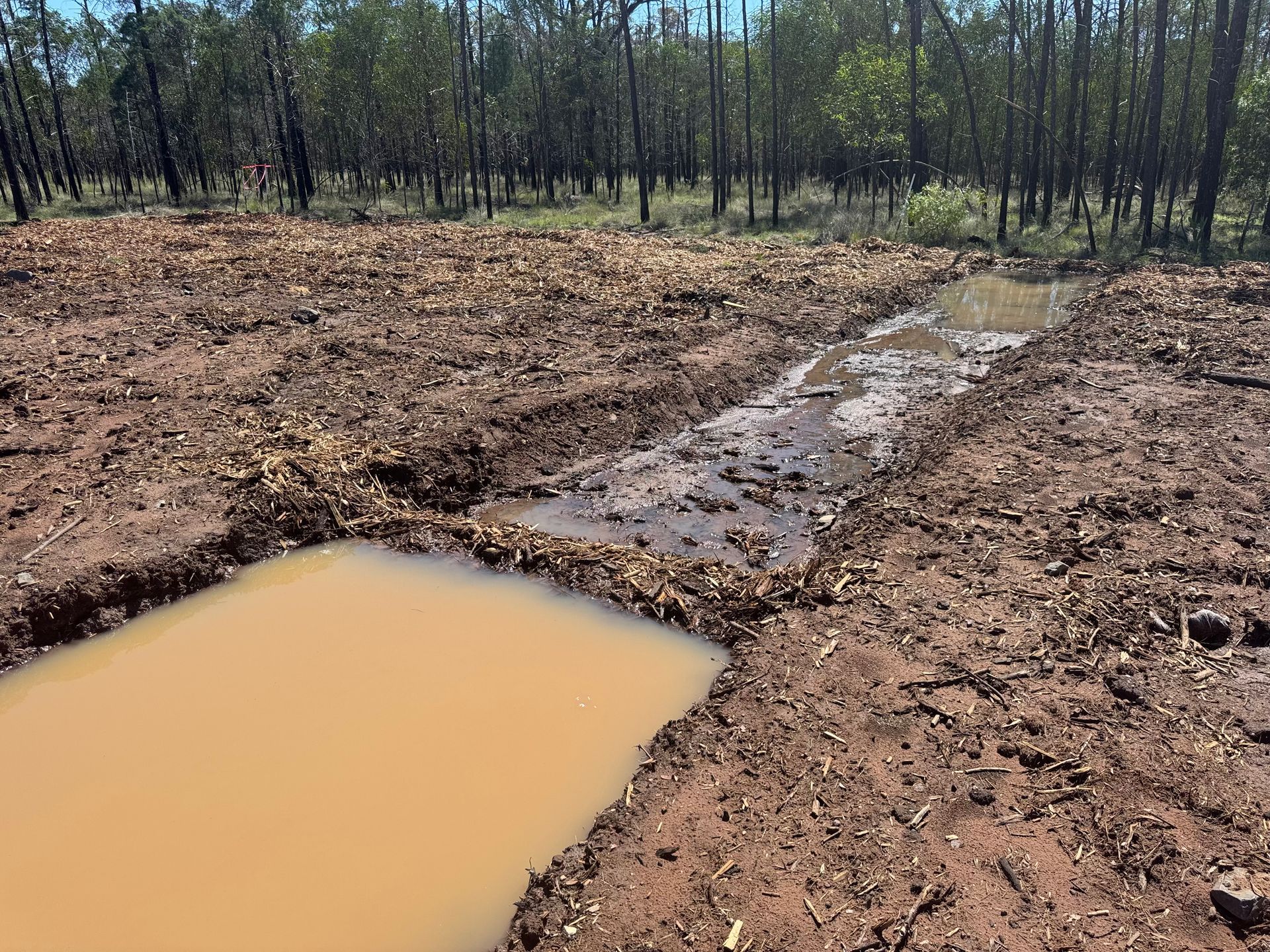
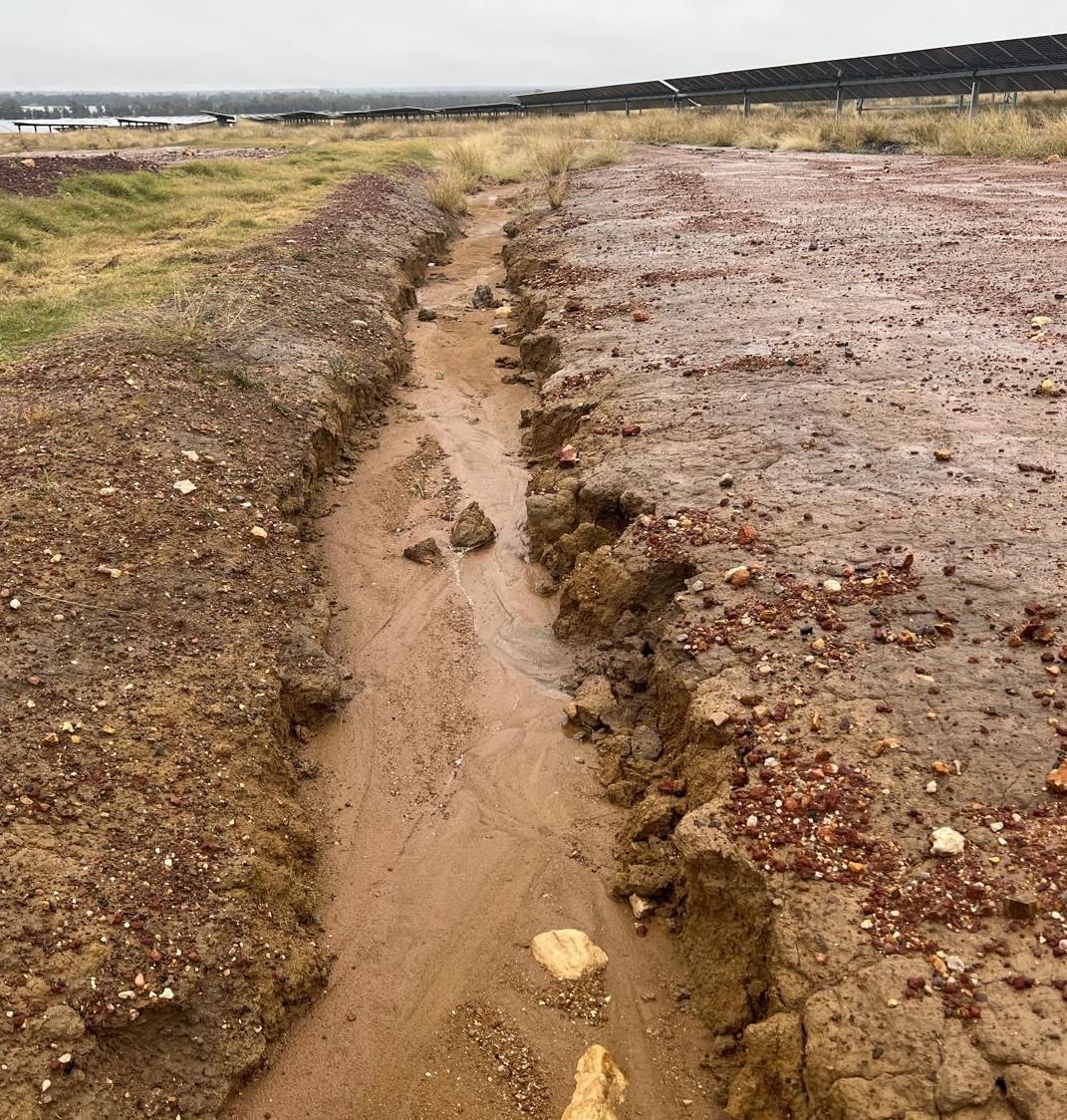
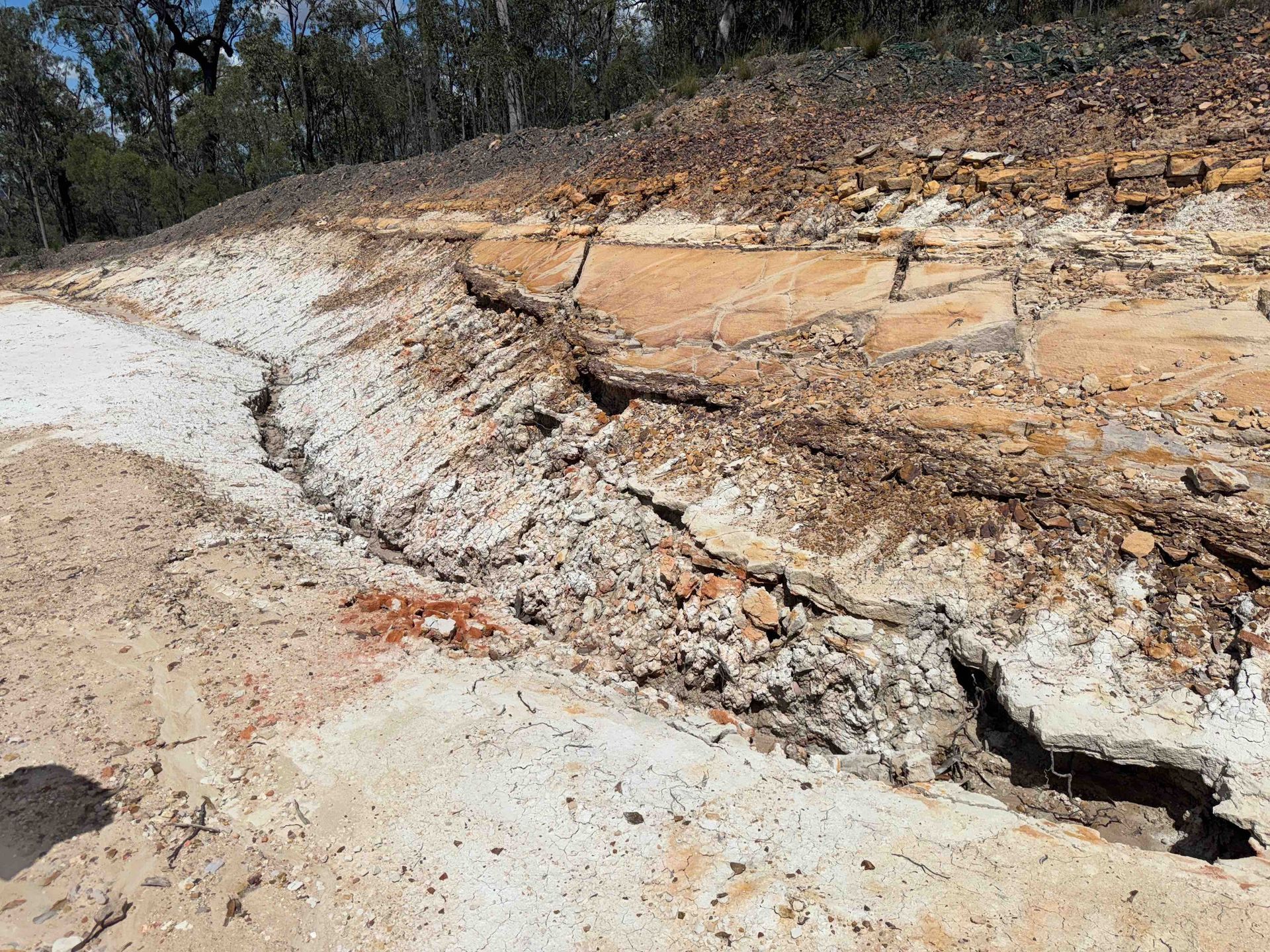
Effective erosion and sediment control is critical to protecting waterways, maintaining regulatory compliance and avoiding costly rework during construction. Poor planning, inadequate controls or delayed stabilisation can result in environmental harm, project delays, enforcement action and significant ongoing maintenance costs.


Dynamic Environmental Services provides practical erosion and sediment control (ESC) services for renewable energy, mining, gas, waste, construction and linear infrastructure projects throughout Australia. Our approach combines best-practice ESC principles with extensive field experience, ensuring solutions are not only technically sound and compliant, but also practical to construct, maintain and adapt as projects evolve.


We understand that successful erosion and sediment control begins long before construction starts. Early identification of site constraints, appropriate design of controls, consideration of project staging, and planning for progressive stabilisation are all critical to achieving successful outcomes. This is particularly important on large-scale developments and linear infrastructure projects, where disturbed areas may extend across large distances and site conditions can vary significantly.


Our erosion and sediment control services include:

  • Erosion and Sediment Control Plans (ESCPs)
  • Overarching Erosion and Sediment Control Plans (OESCPs)
  • Independent third-party reviews of ESCPs and OESCPs
  • ESC inspections and compliance assessments
  • Construction-phase ESC support and advice
  • ESC audits and reporting
  • ESC plan updates to reflect project staging and changing site conditions
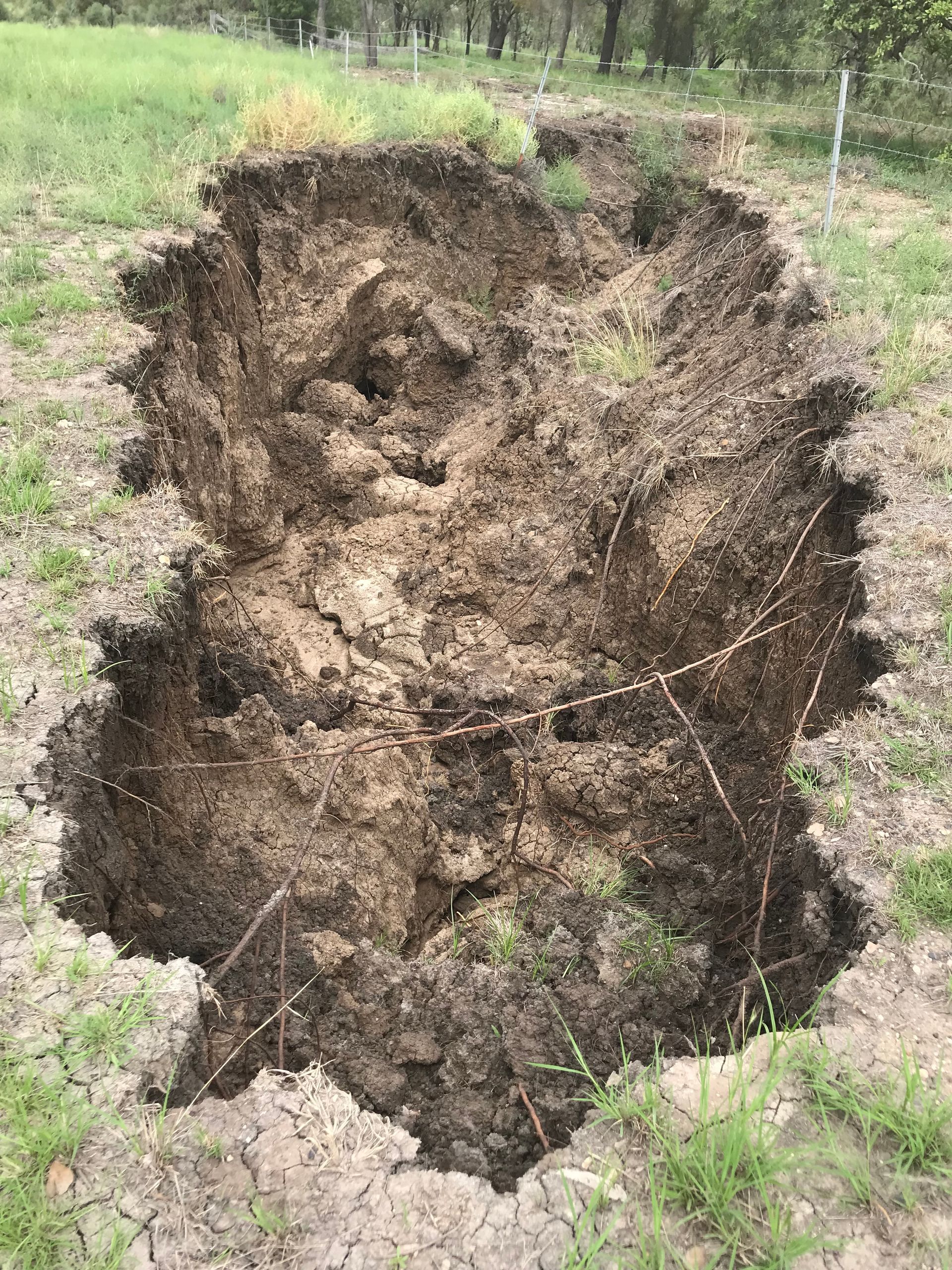
  • Identification and management of dispersive soils and erosion risks
  • Development of rehabilitation specifications
  • ESC training and education programs including practical field training for environmental staff, supervisors and operators


Many erosion and sediment control failures occur because controls have been designed without sufficient consideration of how the site will actually be constructed, operated and progressively stabilised. Our team has extensive experience supporting major renewable energy, mining, gas and linear infrastructure projects and understands the practical challenges that arise during construction. This experience allows us to develop site-specific, constructable solutions that are both effective and achievable in the field.


Our personnel have worked directly within project teams during the construction of major solar farms, wind farms, transmission projects and other large-scale developments. This practical experience provides valuable insight into common causes of ESC failure, allowing us to identify potential issues early and develop solutions that reduce risk, improve compliance and minimise costly rework.


All erosion and sediment control services are delivered by suitably qualified professionals, including Certified Professional in Erosion and Sediment Control (CPESC) and Registered Soil Practitioner – Erosion and Sediment Control (RSP-ESC) personnel. Our team maintains active involvement in industry best practice through organisations such as the International Erosion Control Association (IECA), IECA Australiasia and local organisations.


Whether you require an ESCP for a new development, an independent review of an existing plan, construction-phase support, or training for your project team, we provide practical, technically robust solutions focused on compliance, constructability and long-term project success.
How can we help?

Related Projects and Articles
By Lisel Dingley July 23, 2026
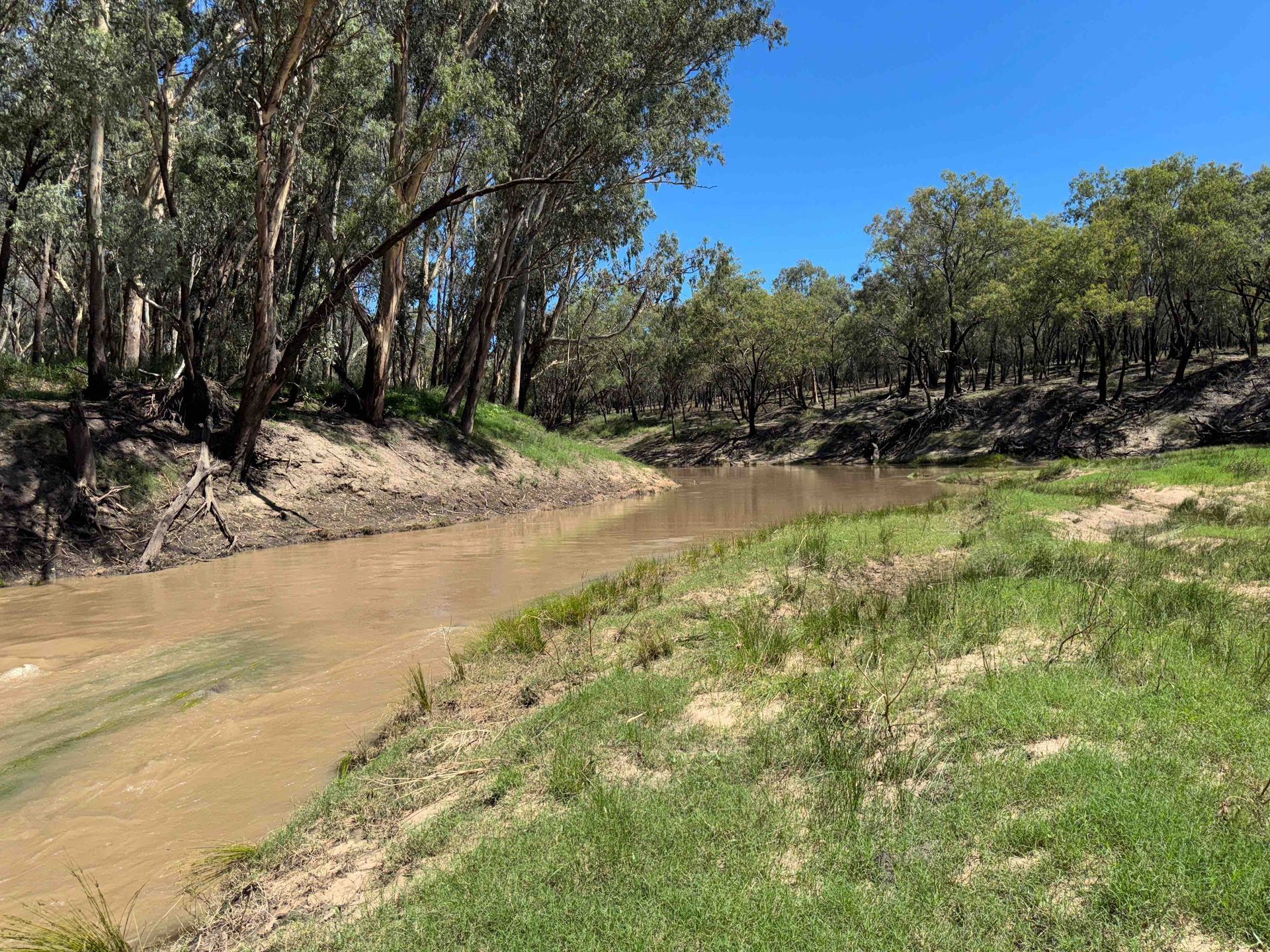
Construction within waterways presents some of the highest erosion and sediment control risks encountered on civil infrastructure projects. Successful planning requires more than selecting erosion and sediment control measures—it requires a thorough understanding of construction sequencing, river behaviour, environmental values, regulatory requirements and the practical realities of delivering works in a dynamic environment. Dynamic Environmental Services was engaged by Origin Energy to prepare a Construction Erosion and Sediment Control Plan (CESCP) for the construction of a bed level crossing within the Condamine River near Condamine, Queensland. The crossing was designed to provide dry-weather vehicle access while protecting the environmental values of the river and maintaining compliance with environmental and regulatory requirements. The project involved construction within a major waterway, requiring careful consideration of waterway barrier works requirements, river flows, rehabilitation, fish habitat protection, water quality and construction staging. Rather than developing a generic erosion and sediment control plan, Dynamic Environmental Services prepared a site-specific CESCP that integrated engineering design, environmental obligations and practical construction methodologies into a single management framework. Our services included: Construction Erosion and Sediment Control Plan (CESCP) preparation Erosion and sediment control risk assessment Construction staging and sequencing Waterway barrier works compliance Water quality protection strategies River flow management planning Site-specific erosion and sediment control design Rehabilitation planning Environmental approvals and legislative compliance review The CESCP was developed to provide practical guidance throughout all stages of construction, from clearing and earthworks through to rehabilitation. It considered seasonal erosion risks, anticipated river flow conditions, dispersive soils, construction timing and the need to minimise disturbance while maintaining construction efficiency. Flexible control measures were incorporated so they could be adapted to changing site conditions, river conditions and available construction resources. A key focus of the project was integrating erosion and sediment control into the construction methodology rather than treating it as a separate environmental requirement. Construction staging was developed to minimise disturbance within the river, reduce the duration of in-stream works, progressively rehabilitate completed areas and provide contingency measures for changing weather and river flow conditions. This provided the construction team with practical guidance that could be implemented efficiently while maintaining compliance with environmental requirements. By combining expertise in erosion and sediment control, rehabilitation, environmental approvals and construction planning, Dynamic Environmental Services developed a practical management framework that balanced environmental protection with efficient project delivery. Rather than prescribing a single approach, the plan provided flexibility to select appropriate control measures based on site conditions, weather, river flows and available construction resources, helping ensure environmental outcomes could be achieved without unnecessarily constraining construction activities. Outcomes Site-specific Construction Erosion and Sediment Control Plan for works within a major waterway Practical construction staging integrated with erosion and sediment control Compliance with waterway barrier works and environmental requirements Flexible erosion and sediment control measures tailored to changing site conditions Rehabilitation planning incorporated into the construction methodology Client Feedback "Dynamic Environmental Services were perfect for our project as they are local and were able to respond quickly, visit the site, and provide a fast turnaround for the development of plans. Lisel’s expert knowledge was indispensable and presented in an easily digestible way for the construction team to understand. Overall, their recommended solutions were practical, and easily implemented, which saved us time and money."
By Lisel Dingley June 12, 2026
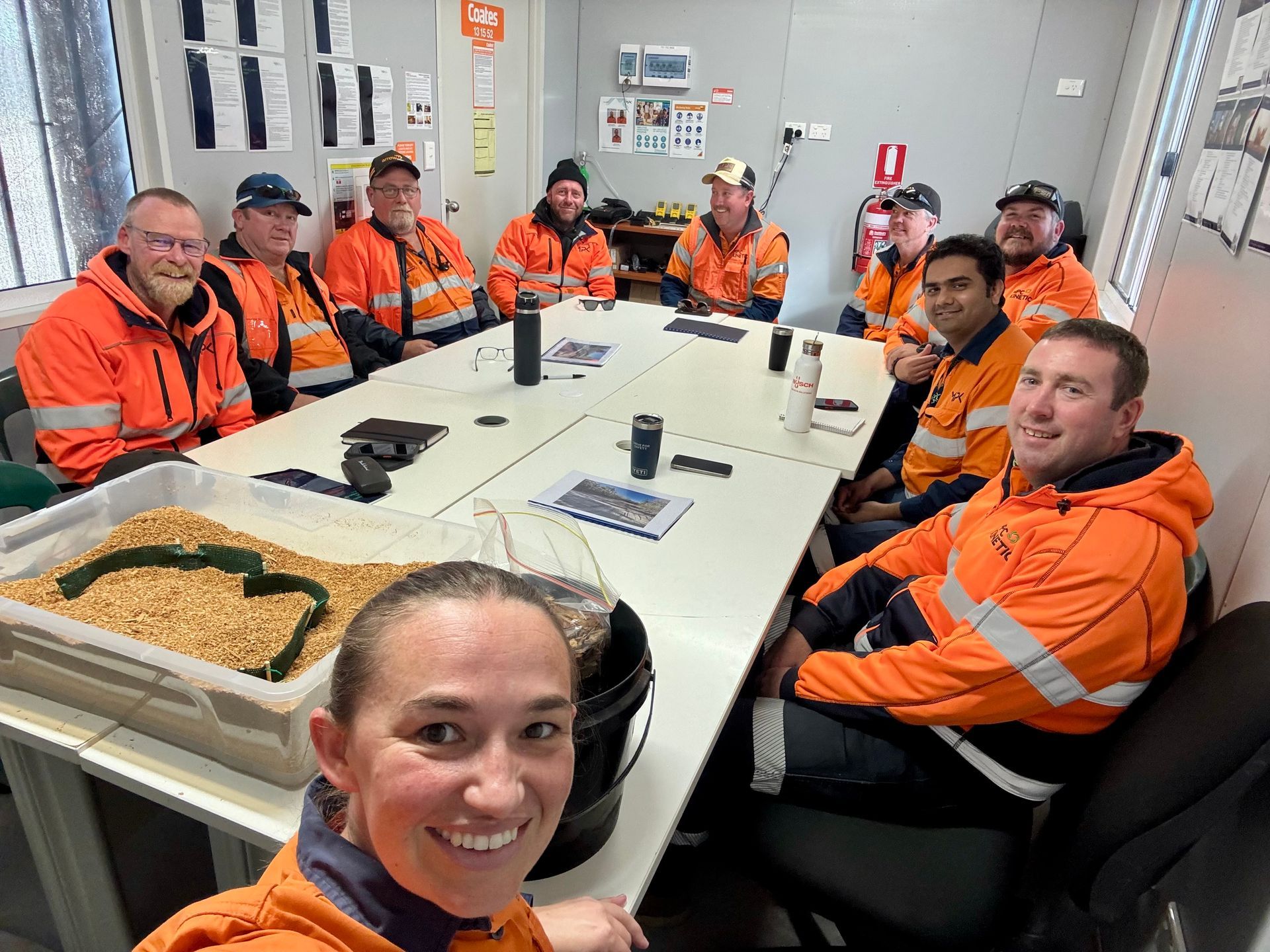
Linear infrastructure projects present unique erosion and sediment control challenges. Construction activities often extend across hundreds of kilometres, traversing multiple soil types, land uses, drainage features and landholder properties. Success depends not only on having a compliant Erosion and Sediment Control Plan (ESCP), but on ensuring the people delivering the works understand why controls are required, how they function and how they can be practically implemented in the field. Dynamic Environmental Services was engaged to develop and deliver a bespoke erosion and sediment control training program for personnel involved in the construction of linear gas infrastructure. The program was specifically tailored to the client's construction methodologies, project constraints and environmental risks, ensuring the content was directly relevant to the work being undertaken on site. Rather than relying on generic training materials, the course was built around real project examples, site photographs and common challenges encountered during construction. Photographs from the client's own projects were used to demonstrate both effective and ineffective erosion and sediment control practices, encouraging practical discussion around how outcomes could be improved. To further enhance understanding, Dynamic developed a series of scaled physical models and demonstration props which were used throughout the training to illustrate key erosion and sediment control concepts. These models allowed participants to visualise how water moves across disturbed land, how erosion occurs and how different control measures function in practice. The training was delivered to a diverse audience including environmental professionals, civil supervisors and plant operators. This multidisciplinary approach helped establish a common understanding of erosion and sediment control requirements across all levels of the project team, improving communication and consistency in the field. Our services included: Development of a bespoke erosion and sediment control training program Preparation of project-specific training materials Development of scaled demonstration models and training props Review and incorporation of project-specific photographs and case studies Training delivery to environmental personnel, supervisors and operators Practical demonstrations of erosion and sediment control principles Guidance on linear infrastructure construction challenges Discussion of constructability considerations and field constraints Ongoing technical support and advice The training focused on practical application rather than theory alone. Particular attention was given to understanding clean and dirty water management, diversion banks, whoa boys, sediment traps, sediment fencing, stockpile management, waterway crossings and the relationship between construction activities and environmental outcomes. Participants were encouraged to discuss site-specific challenges and identify practical solutions that could be implemented during construction. Outcomes Increased understanding of erosion and sediment control principles across project teams Improved consistency in the implementation of erosion and sediment control measures Enhanced communication between environmental staff, supervisors and operators Greater awareness of environmental risks associated with linear infrastructure construction Practical knowledge directly applicable to field activities Improved confidence in interpreting and implementing ESCP requirements Increased capability within the workforce to identify and address erosion and sediment risks Training tailored to the client's projects, construction methods and operational requirements  This project demonstrates Dynamic Environmental Services' ability to deliver engaging, practical and project-specific environmental training programs. By combining technical expertise with real-world construction experience, we help project teams move beyond compliance and develop a genuine understanding of how environmental controls can be successfully implemented in the field.
By Lisel Dingley June 12, 2026
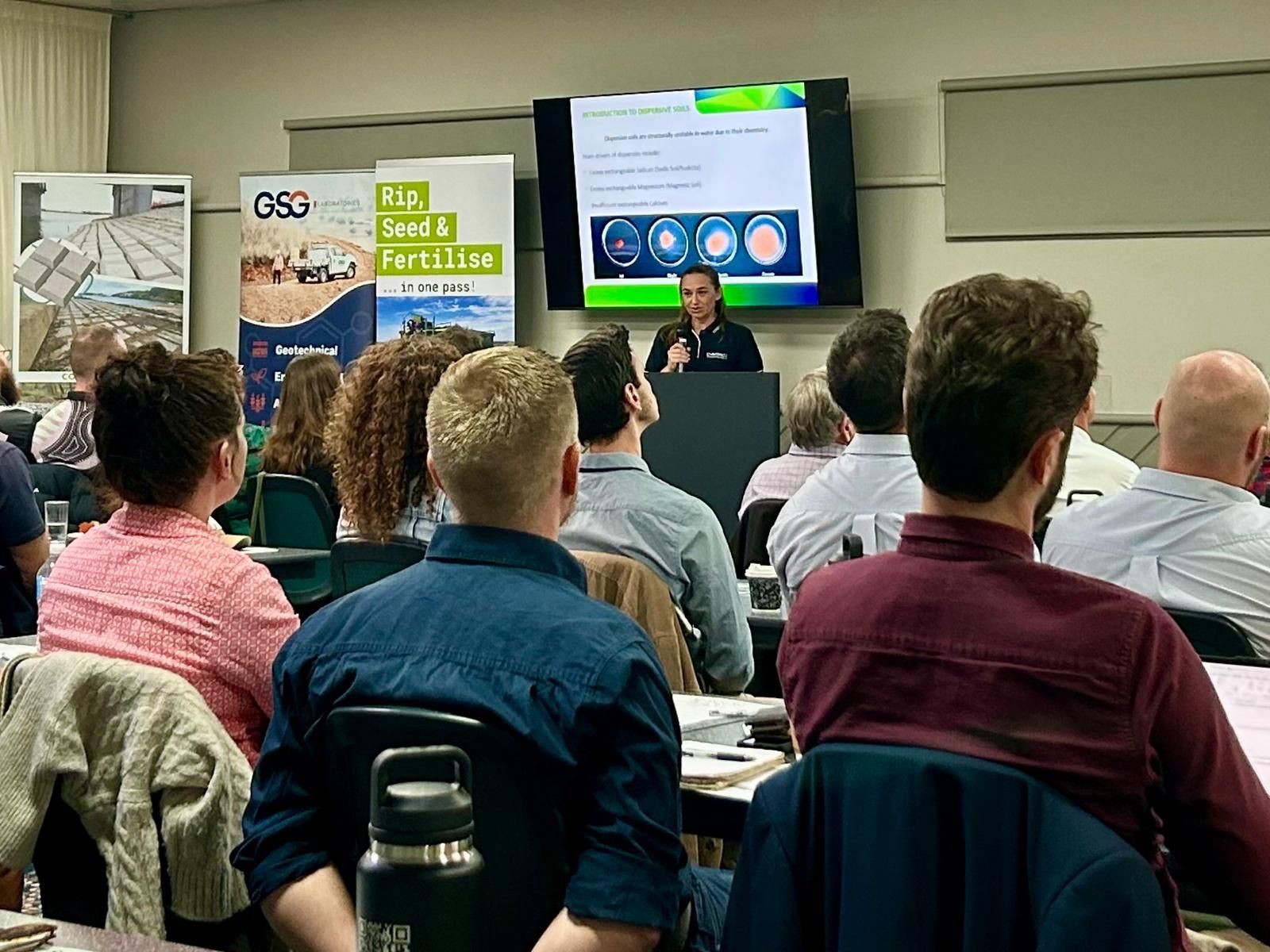
Improving environmental outcomes requires more than plans, procedures and compliance requirements. It requires people across the industry to understand why environmental issues occur, how risks can be identified early and what practical solutions can be implemented in the field. Dynamic Environmental Services regularly develops and delivers technical training, conference presentations and industry workshops focused on erosion and sediment control, soil science, rehabilitation and environmental risk management. Drawing on experience across renewable energy projects, our presentations combine technical knowledge with practical field experience, providing attendees with real-world examples of environmental challenges and lessons learned from construction and operational projects. Recent presentations have been delivered to industry conferences, professional associations and engineering organisations, including erosion and sediment control specialists, environmental professionals, engineers, project managers, supervisors and decision-makers responsible for environmental performance and project delivery. A key focus of these presentations is bridging the gap between environmental requirements, engineering design and field implementation. Topics are selected to address common industry challenges, encourage critical thinking and promote practical, evidence-based approaches to environmental management. Presentation topics have included: Erosion and sediment control design and implementation Dispersive soils and erosion risk management Rehabilitation planning and revegetation challenges Renewable energy construction and environmental management Drainage design and constructability considerations Soil science for environmental practitioners and engineers Environmental risk management and compliance Lessons learned from large-scale infrastructure projects Practical approaches to achieving sustainable rehabilitation outcomes Rather than relying solely on theory or guideline requirements, presentations are developed using project case studies, field observations, technical investigations and practical examples gathered across a wide range of construction and operational environments. This approach allows attendees to better understand not only what environmental controls are required, but why they are necessary and how they can be successfully implemented. Many sessions are tailored to the specific audience, ensuring the content is relevant to their role, level of experience and project challenges. Whether presenting to specialist environmental professionals, engineering teams or project delivery personnel, the focus remains on providing practical knowledge that can be applied immediately in the workplace. Outcomes: Improved understanding of erosion, sediment control and rehabilitation principles Greater awareness of environmental risks associated with construction activities Enhanced collaboration between environmental and engineering disciplines Increased capability to identify and manage environmental risks early Practical lessons learned shared across industry sectors Improved understanding of soil-related constraints and rehabilitation challenges Increased confidence in environmental decision-making Better integration of environmental considerations into project planning and design  Through conference presentations, workshops and tailored training programs, Dynamic Environmental Services continues to contribute to the development of industry knowledge and the improvement of environmental practices across Australia.
By Lisel Dingley June 10, 2026
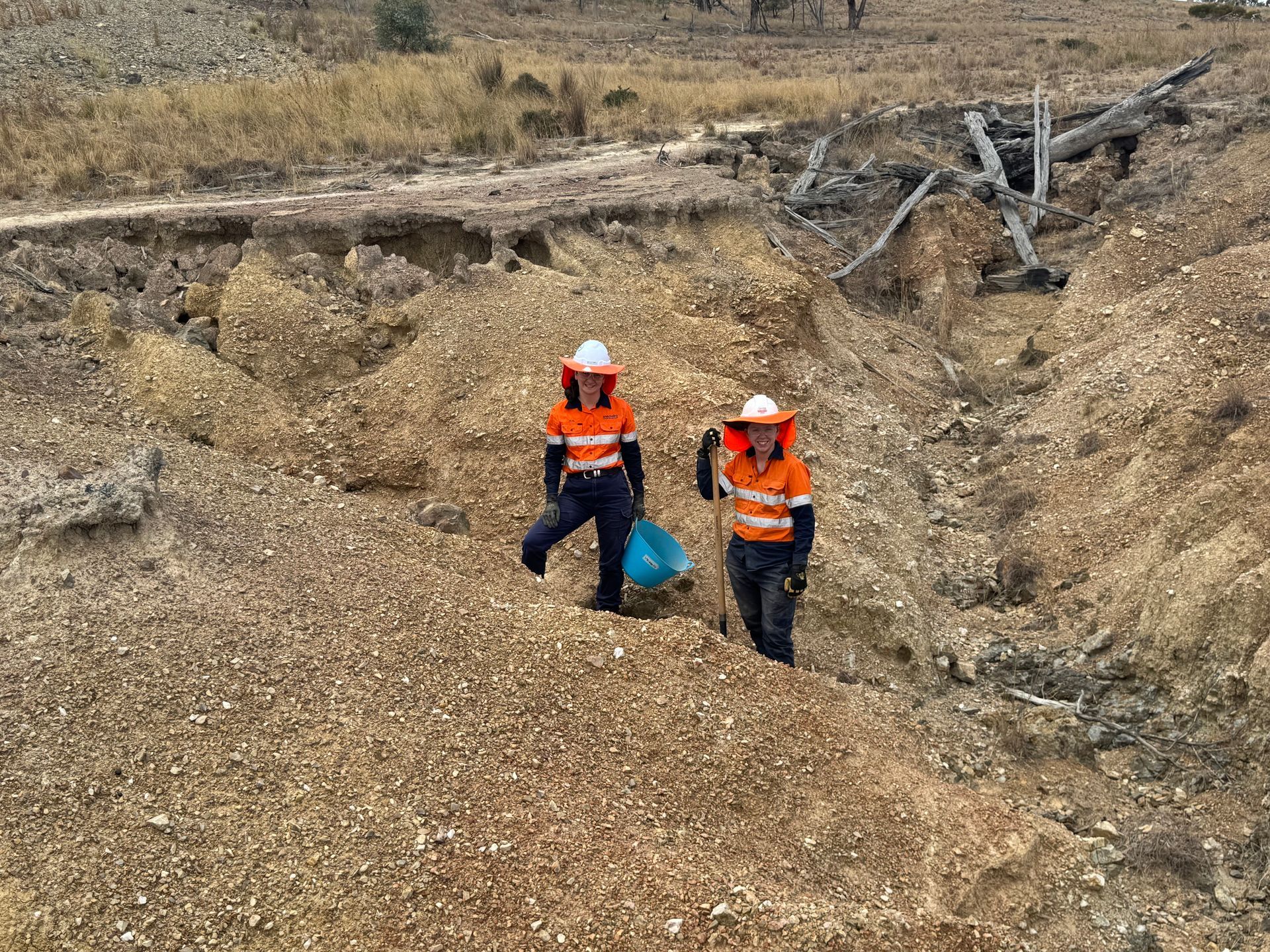
Linear infrastructure projects present unique erosion and sediment control challenges. Construction often occurs across long distances, traversing multiple soil types, land uses and drainage features, while operating within tight construction footprints and even tighter project timeframes. Dynamic Environmental Services has supported gas infrastructure projects involving civil construction of well pad and installation of gathering networks by developing practical, site-specific erosion and sediment control solutions tailored to the realities of construction in the field. Rather than relying solely on desktop assessments, our approach involves visiting sites, understanding the landscape, reviewing soil conditions, speaking directly with project personnel and gaining an understanding of construction methodologies and operational constraints. This allows erosion and sediment control measures to be designed with both environmental performance and constructability in mind. Our services included: Preparation of Erosion and Sediment Control Plans (ESCPs) Site inspections and field assessments Identification and management of dispersive soils and erosion risks Development of project-specific ESC standard drawings and details ESC advice for well pad construction and gathering Rapid turnaround for changing project timeframes ESC inspections and compliance advice ESC training for environmental professionals, civil supervisors and plant operators Ongoing technical support throughout project delivery By understanding both environmental requirements and construction constraints, we were able to develop solutions that could be effectively implemented in the field while maintaining compliance with project requirements. Outcomes Practical and constructable ESC solutions developed Site-specific controls tailored to local soil and landscape conditions Improved understanding of ESC requirements among project personnel Rapid technical support provided to meet construction timeframes Reduced risk of erosion, sediment release and environmental non-compliance ESC measures designed to be both effective and achievable in the field
By Lisel Dingley August 27, 2024
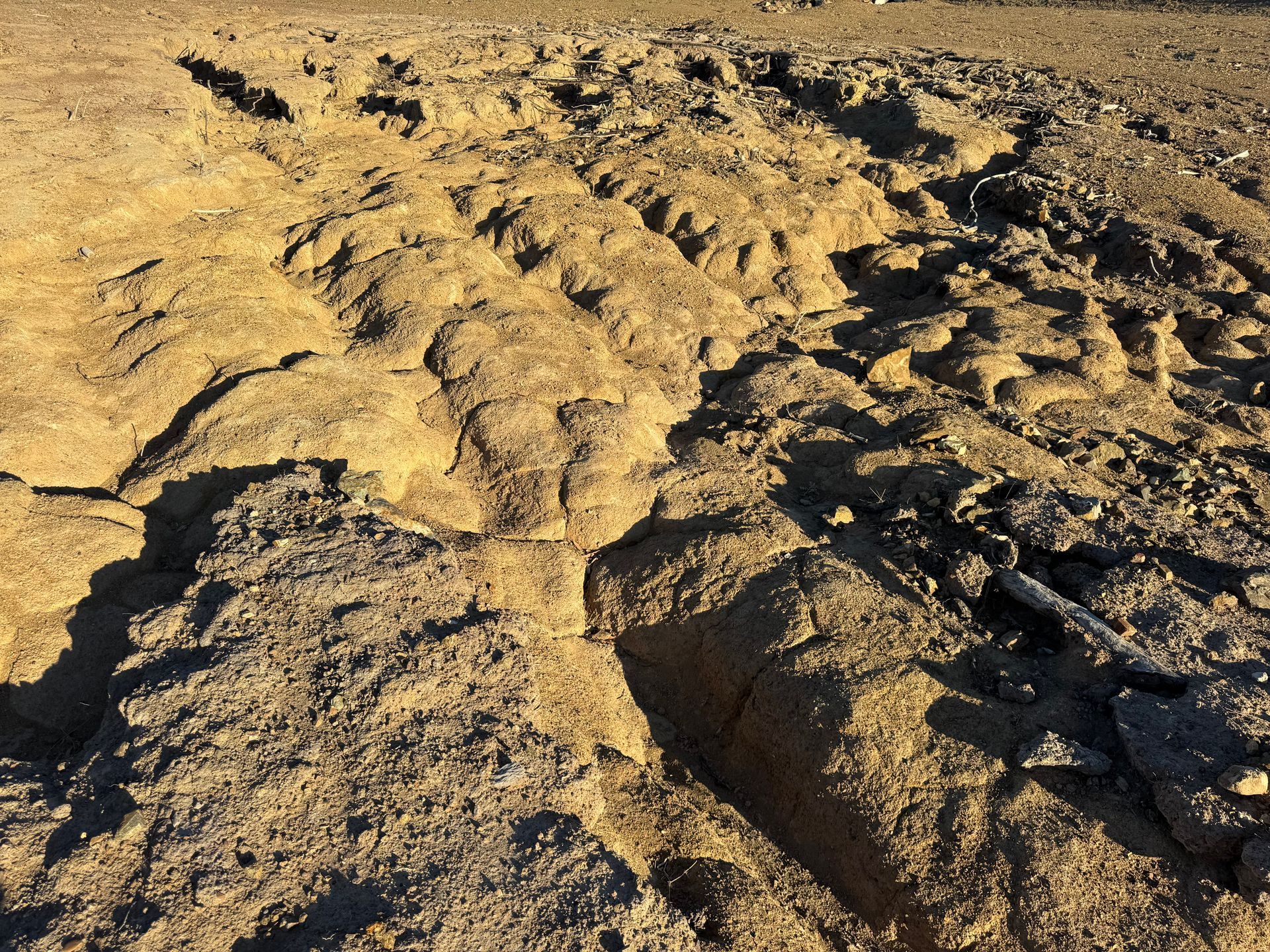
In Queensland, it's no secret that the renewables industry is booming. However, consistently, particularly in the south of the state, these projects are quickly encountering an unexpected challenge - dispersive soils. While those in the erosion and sediment control field could reasonably foresee this based just on the geographic location or through a brief site visit only, consistently renewables projects are not aware of this aspect until well into construction, when unexpected erosion issues start to emerge. It may be surprising that these very significant projects, with budgets of hundreds of millions of dollars, can overlook an aspect that is likely to cause considerable challenges if management is not planned and budgeted. Failure to identify dispersive soils in project scoping and planning can result in development of inappropriate erosion and sediment control plans, unsuitable rehabilitation plans, failing rehabilitation, and lengthy maintenance periods of erosion and sediment controls until groundcover is achieved (including desilting, reshaping, restabilising). Drains fail due to erosion, releasing sediment which settles downgradient, reducing drain capacity, resulting in drain overtopping and sediment deposition onto roads or hardstands (reducing trafficability) or releasing sediment into waterways. Erosion and poor stormwater management from failed drainage can mean water is not managed as per design and begins to erode in and around infrastructure, including roads, hardstands, solar panel piles, and waterway culvert crossings, resulting in expensive repairs of often difficult to access areas (particularly in solar construction due to tracking infrastructure). Some projects believe they will solve their erosion issues with hard reinforcing, like rock placement (riprap) or shotcrete or concrete, and are consequently shocked when these expensive repairs are promptly undermined. These impacts can result in landholder and broader community complaints, environmental consequences, compliance challenges, and costly rework. During project planning, there are multiple avenues to identify this challenge. From an initial desktop perspective, publicly available soil mapping with attached descriptions could be reviewed, which will indicate dispersiveness. Even at the highest level of state-wide soil classification, the considerable portion of the state mapped as sodosols should be an indication of potential dispersiveness, named due to high concentrations of exchangeable sodium, driving sodicity, which often results in dispersion. Assuming these aspects are overlooked, the early onsite inspections allow for an opportunity to visually observe indications of dispersive soil, often presenting as gully erosion along pre-existing roadsides and along farm tracks, or as gully or tunnel erosion adjacent to waterways, which contain the classic 'chocolate milk' water. These inspections are generally undertaken by ecologists and geotechnical engineers, and rarely, if ever, by erosion and sediment control specialists. Identifying this potential constraint is not in their purview, or skillset. Geotechnical investigations always include Emerson Testing, which is a measure of the dispersiveness of a soil, however this almost always is restricted to the depth of the base of foundations, well below the topsoils or subsoils likely to be disturbed, exposed, and requiring final stabilisation. However, even when shallower soils indicate dispersiveness, such as being Emerson Class 1 or 2, this is often only considered in foundation design, and is not considered in drainage design, erosion and sediment control or rehabilitation scoping, planning and budgeting. Due to these common oversights, it is important to turn our attention to developing improved recommendations for renewables developers to identify dispersive soils, and communication of these. Using a common ~40 turbine wind farm as an example, which is generally linear infrastructure (consisting of significant lengths of roads connecting turbines), and taking guidance from the IECA White Books, Chapter 3 Site Planning, Table 3.2, the required number of sample sites would be in excess of 930. Using an estimate of 1 sample location per 30 mins, it is unlikely that a wind developer will be interested in 232 days of soil sampling prior to/during project scoping. While the gold standard would likely consist of a full-scale soil survey including sampling for all relevant characteristics (including dispersiveness) and development of associated soil mapping, with final micrositing of project infrastructure (particularly wind turbines) having consideration of soil characteristics, it is unrealistic to move immediately from the current process to this. In order to identify the existence of dispersive soils, a well-designed reduced soil sampling program and analysis suite is possible, which will fast track the process and reduce costs. In our experience, Emerson Aggregate Testing has not proven to be a reliable indicator of dispersion, if other soil characteristics are disregarded. If targeting dispersion only, a more suitable suite is one that includes, at least, exchangeable basic cations (Calcium, Magnesium, Potassium, Sodium), Cation Exchange Capacity and Particle Size Distribution, in addition to Emerson Aggregate Testing (EAT). In our experience, soils can exhibit severe dispersion in the field, and have exchangeable cation aspects which would indicate a high likelihood of dispersiveness (such as sodic or magnesic soils), but have moderate to low dispersiveness based on Emerson testing. The reason for this is currently unknown comprehensively, though some theories are held and are under investigation. Furthermore, sands and gravels are unsuitable for Emerson testing, and failure to undertake Particle Size Distribution (or field assessment) to identify these may result in EAT scores that indicate negligible dispersiveness, yet the soil may lack soil cohesiveness, which tend to erode regardless of dispersiveness. Identification of dispersive soils is critical in the planning and design stage of renewables projects to prevent budget blowout. Topsoils and shallow subsoils should be included in sampling regimes as part of project scoping, or at least, early works. A reduced sampling density and analysis scope is suggested to be sufficient for this purpose, and should be undertaken by all renewables developers. Last updated 27 August 2024. This information is general in nature, may not be current, and may not be applicable to your specific circumstances. It should not be used as a substitute for site-specific professional advice.