Monitoring, Sampling and Analysis

Environmental monitoring provides the data needed to understand site conditions, demonstrate compliance, investigate environmental issues and make informed management decisions. Whether monitoring is undertaken to satisfy approval conditions, establish baseline conditions or investigate a potential issue, the quality of the data collected and the interpretation of the results are critical.


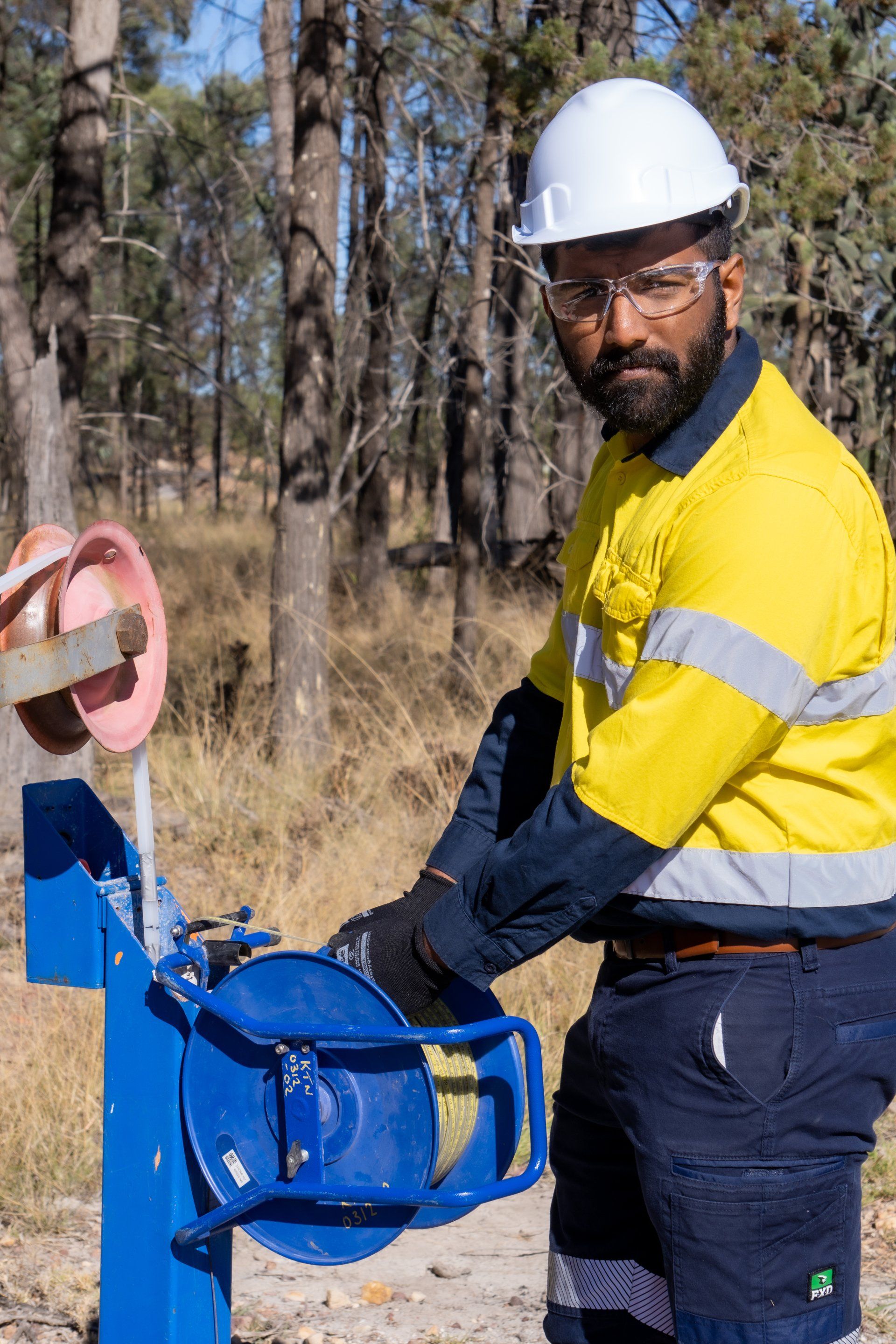
Dynamic Environmental Services provides monitoring, sampling and analysis services for mining, waste management sites including landfills, renewable energy, gas and infrastructure projects throughout Australia. We combine practical field experience with strong technical expertise to help clients understand environmental risks, respond to regulatory requirements and make informed decisions based on reliable data.


Our monitoring, sampling and analysis services include:

  • Environmental Monitoring Program development and implementation
  • Baseline environmental monitoring
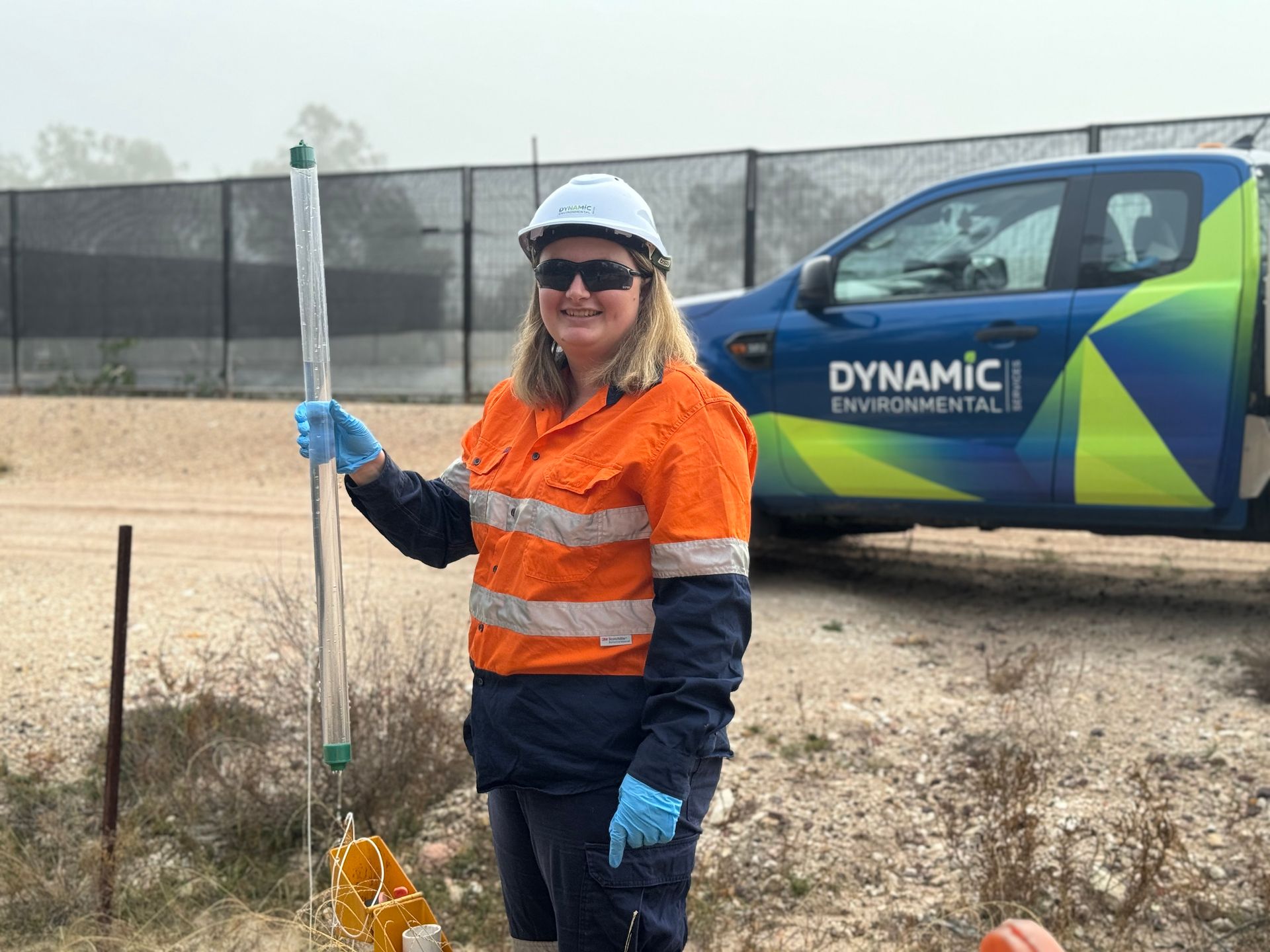
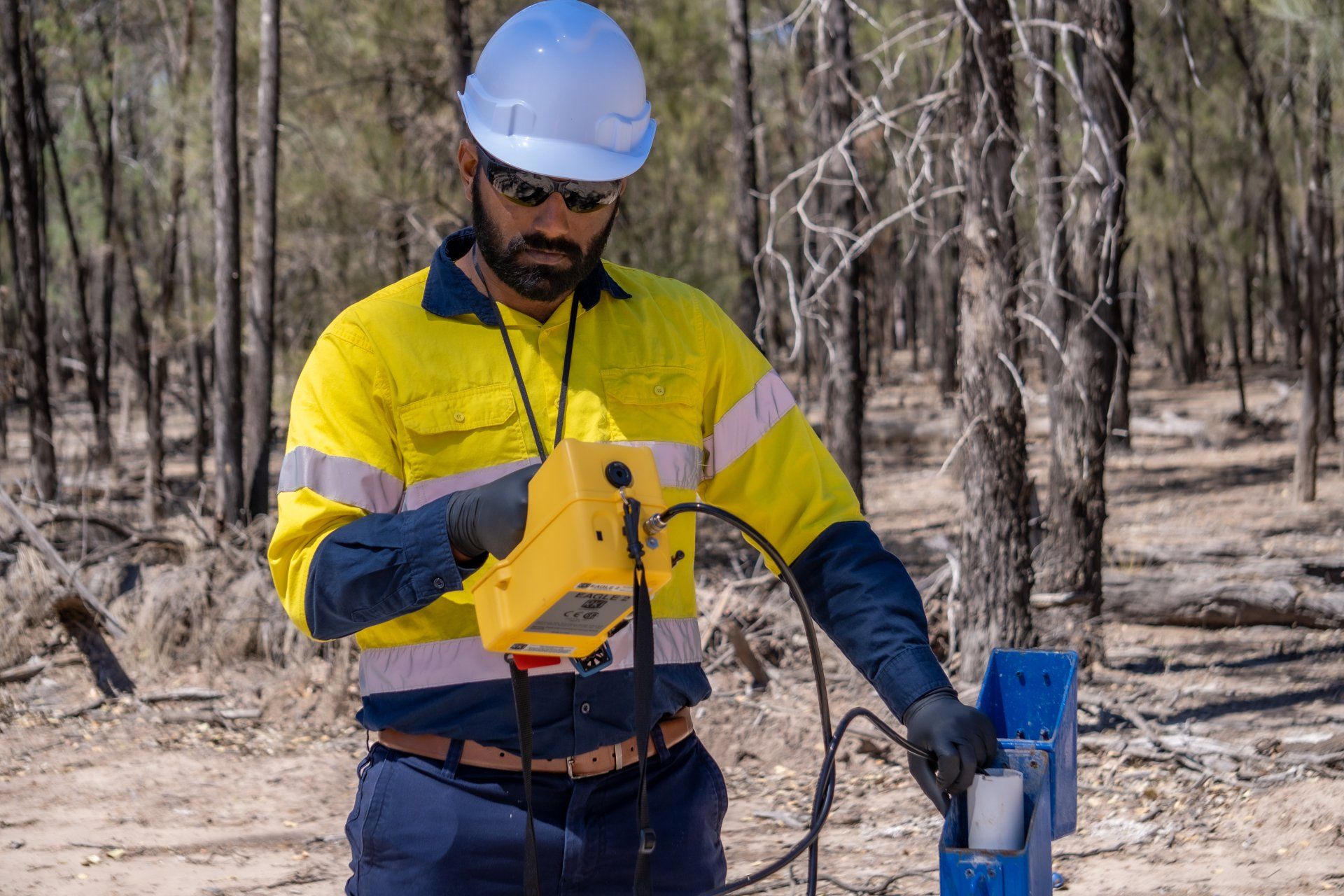
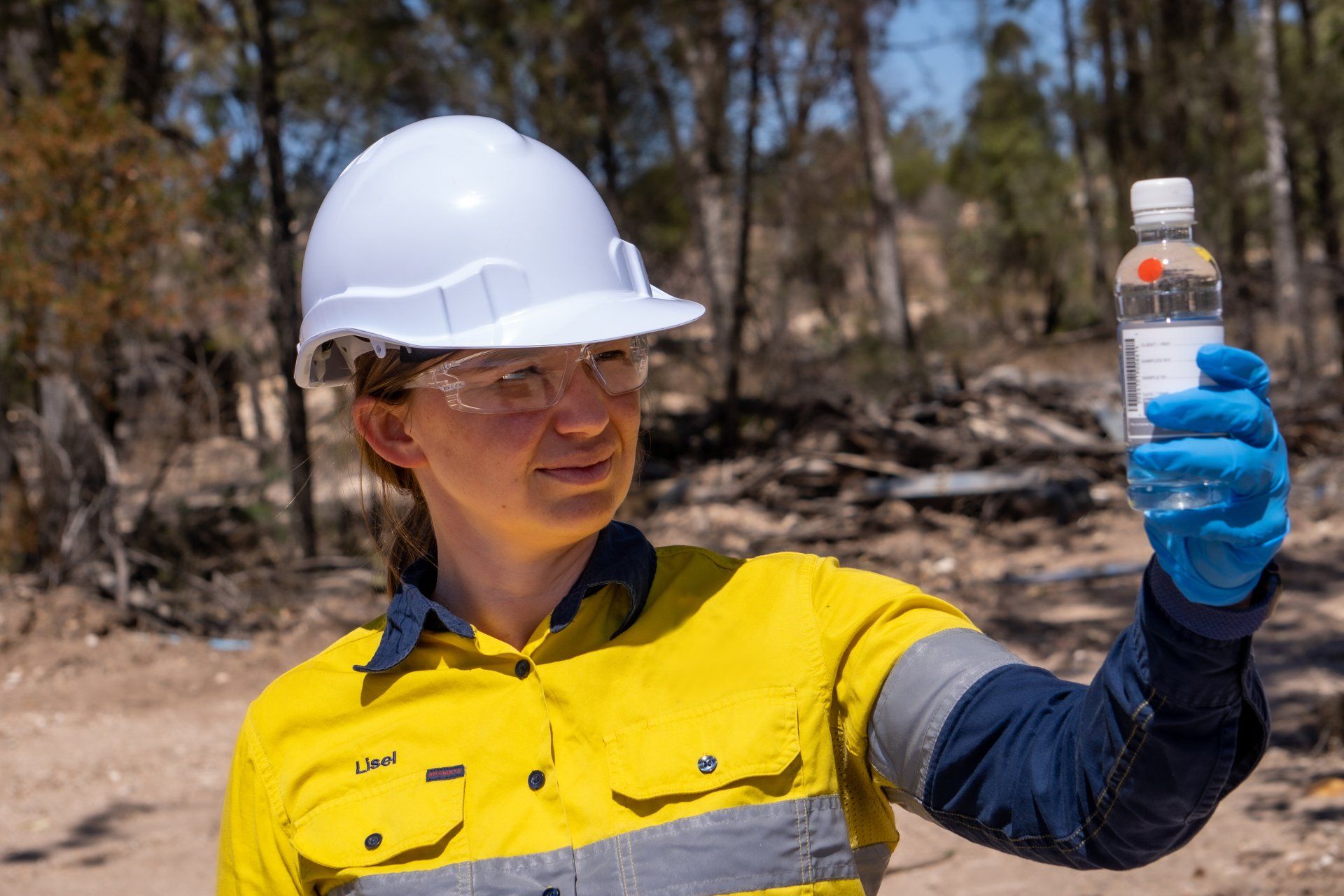
  • Groundwater monitoring and sampling
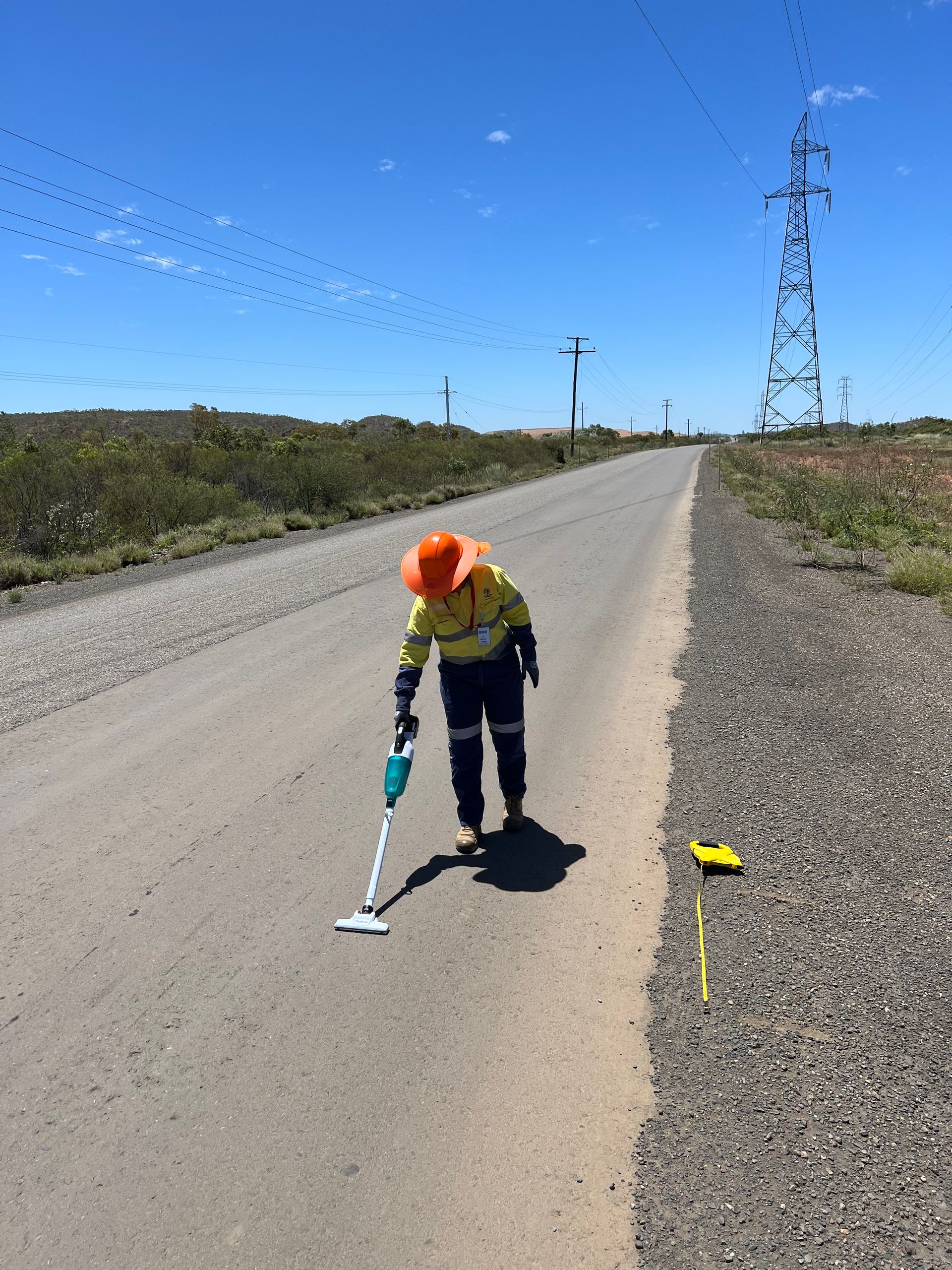
  • Surface water and stormwater monitoring
  • Leachate sampling
  • Landfill gas monitoring
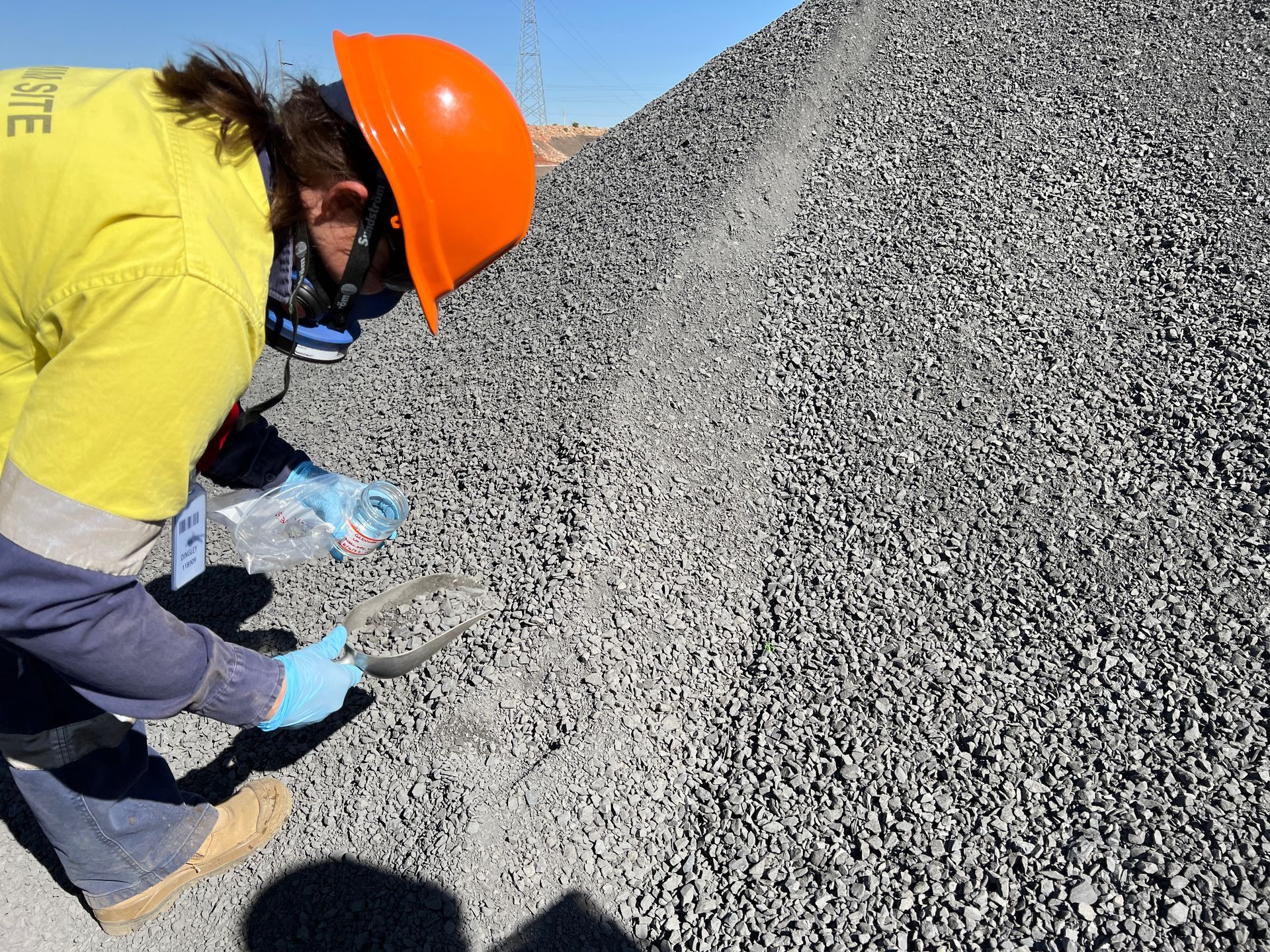
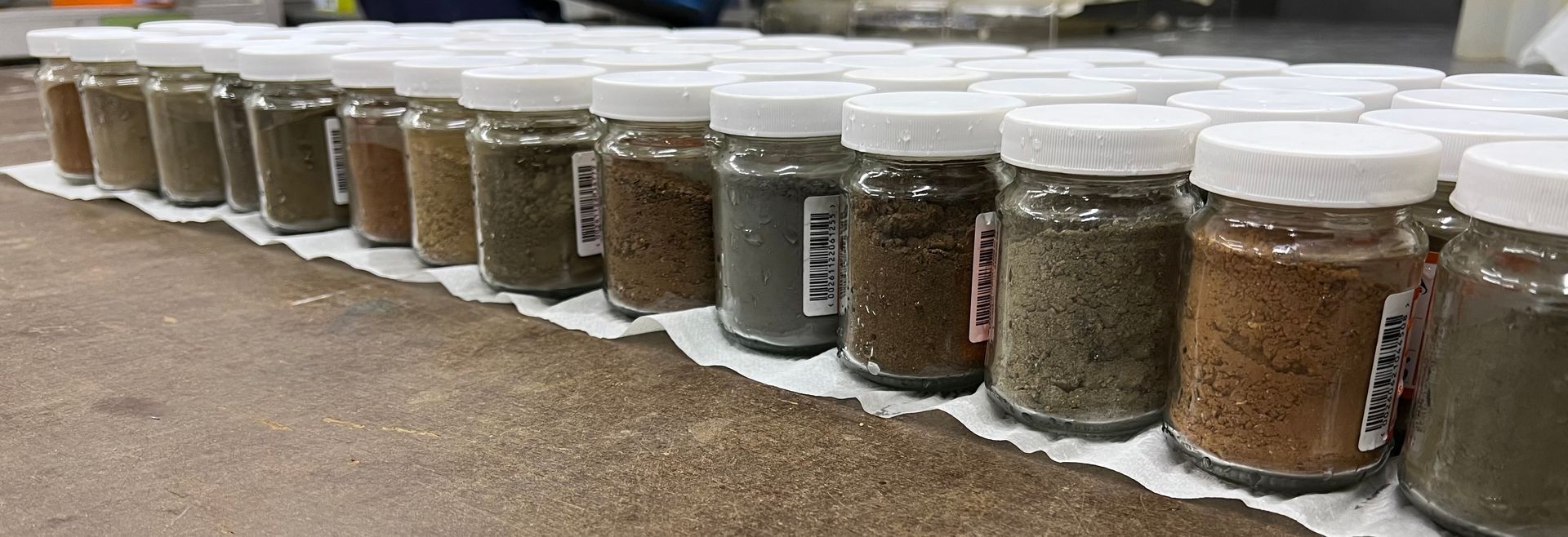
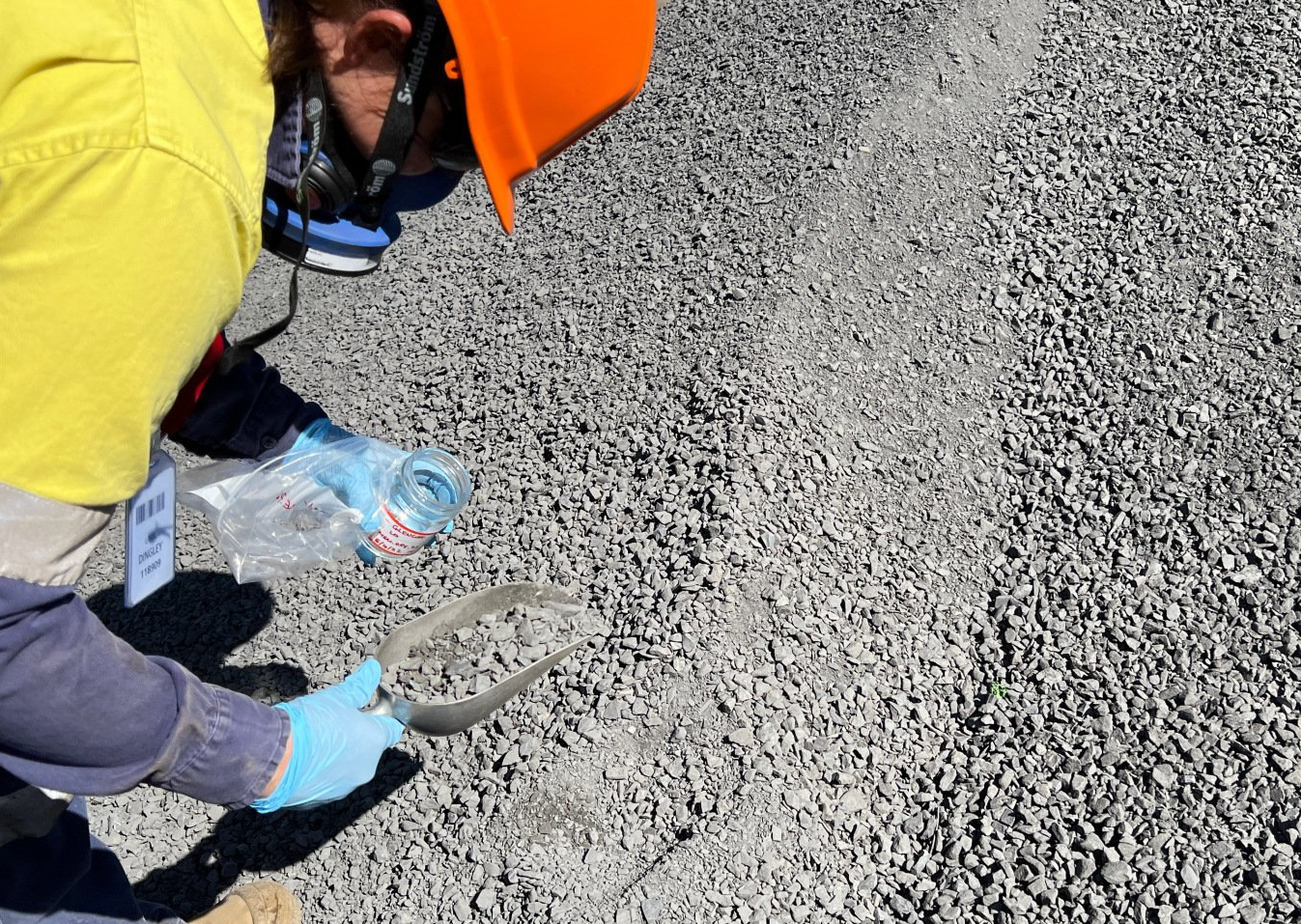
  • Soil and sediment sampling
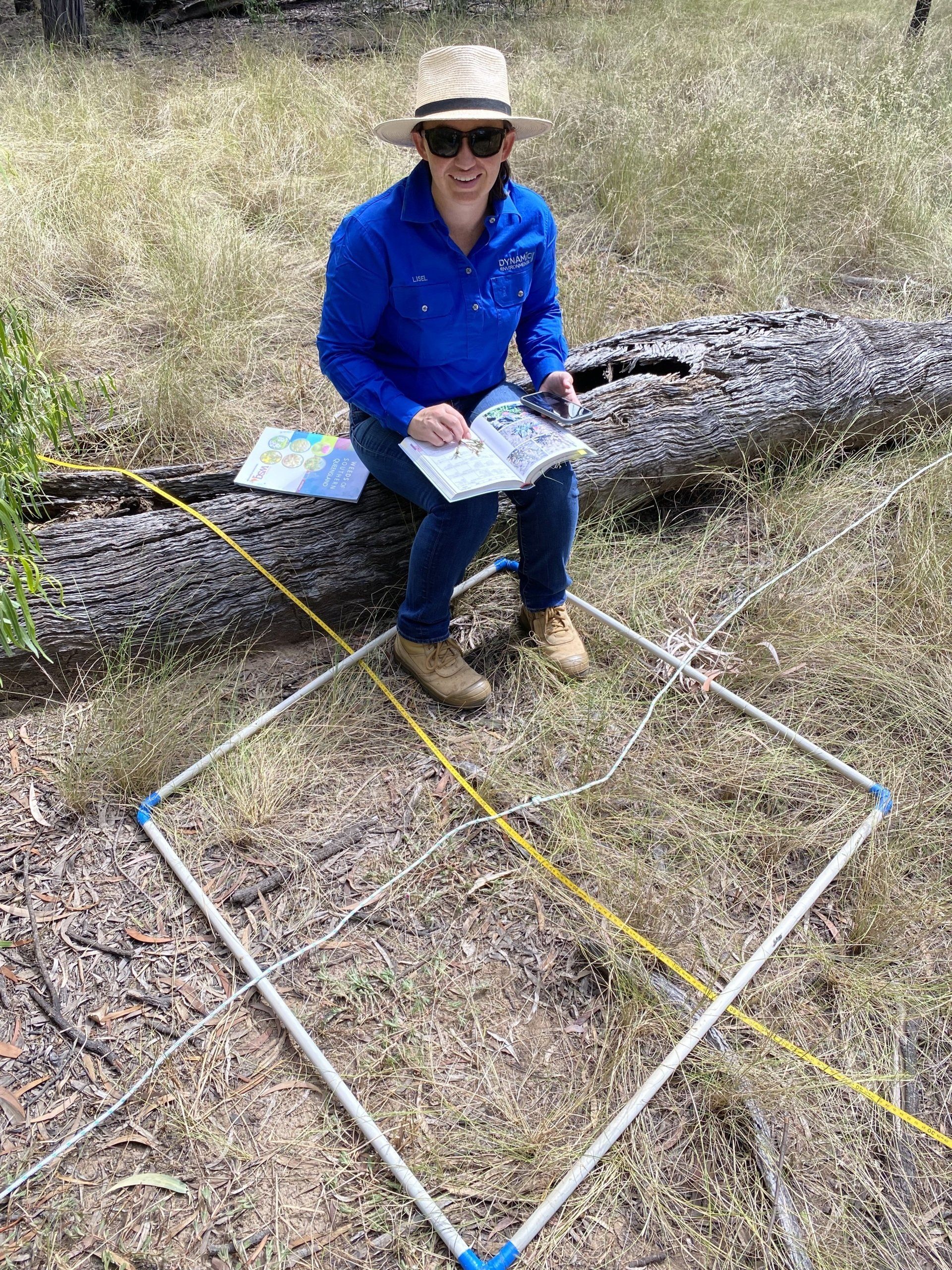
  • Agronomic soil sampling for rehabilitation and revegetation planning
  • Contaminated land investigations
  • Waste classification sampling
  • Laboratory data review and interpretation
  • Investigation of anomalous results
  • Regulator communication and response expertise


We have extensive experience supporting landfills, waste management facilities, mines and industrial sites where environmental monitoring results can have significant operational, environmental and regulatory implications. Our team has developed and implemented Environmental Monitoring Programs, investigated suspect contamination events, assessed anomalous monitoring results and supported clients through associated regulator interactions.


Unlike many consultants, we utilise experienced, senior environmental professionals to undertake field work because environmental decisions are only as good as the data available. We review site conditions, sampling procedures, historical monitoring results and operational activities to ensure monitoring programs generate meaningful and defensible information.


Environmental monitoring does not end when laboratory results are received. We critically analyse results, investigate trends and anomalies, and help clients understand what the data means in the context of their site operations, environmental obligations and potential risks. Where unusual results are identified, we investigate potential causes before drawing conclusions regarding contamination or environmental harm.


Our approach is practical and risk-based. Where management actions are required, we work with clients to develop solutions that are reasonable, achievable and appropriate for the site, taking into consideration operational requirements, available resources, long-term management implications and regulatory expectations.


Whether you require routine compliance monitoring, baseline investigations, waste classification, contaminated land sampling or assistance responding to unexpected monitoring results, we provide technically robust, practical and defensible advice focused on helping clients understand risk and make informed environmental management decisions.
How can we help?

Related Projects and Articles
By Lisel Dingley June 11, 2026
Large industrial sites often inherit decades of historical activities, leaving a legacy of poorly understood contaminated land issues. Over time, these sites can accumulate multiple contamination concerns, varying levels of historical investigation, changing regulatory requirements and uncertainty regarding actual environmental and human health risks. Dynamic Environmental Services was engaged to assist a major industrial operation with the assessment and management of a large portfolio of legacy contaminated land sites. The project involved reviewing, investigating and prioritising numerous contamination issues across a large operational footprint, including contaminants such as asbestos, heavy metals and agricultural chemicals. A key challenge was developing a consistent and defensible approach to understanding risk, prioritising actions and ensuring resources were directed toward areas presenting the greatest environmental, regulatory and community risk. Our services included: Site inspections and historical information review Development of contamination investigation strategies Preparation of sampling and analysis plans Source and soil sampling programs Data interpretation and comparison against relevant guidelines and investigation criteria Development of site-specific investigation and assessment criteria Coordination of specialist environmental and human health risk assessments Regulatory notifications and stakeholder engagement Design and implementation of interim risk management measures Development of remediation and management strategies Management of remediation contractors and field activities Preparation of ongoing management plans Development of streamlined internal processes and decision-making frameworks Rather than treating each issue as a standalone project, our approach focused on developing a structured and repeatable framework for assessing contamination risks across the entire operation. This allowed investigation efforts, risk assessments and remediation activities to be prioritised based on actual risk, while improving consistency, efficiency and regulatory defensibility. The project required balancing environmental protection, human health considerations, operational requirements, regulatory expectations and budget constraints. Particular attention was given to potential impacts on surrounding communities and environmentally sensitive areas, ensuring risk management decisions were supported by robust technical evidence. Outcomes Improved understanding of legacy contamination risks across the operation Development of a consistent and defensible contaminated land assessment framework More effective prioritisation of investigation and remediation activities Reduced regulatory risk and improved compliance outcomes Practical and cost-effective risk management strategies implemented Protection of environmental values and community health Improved internal capability to manage future contaminated land issues
By Lisel Dingley November 19, 2024
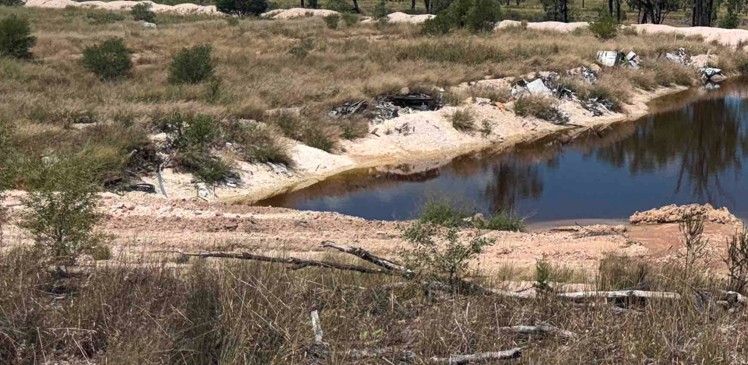
Hypothetical Situation: A site’s Environmental Authority lists a number of groundwater bores, and states that they must be monitored for certain parameters 6 monthly. The EA has another condition which states that a groundwater review must be undertaken every 3 years by an appropriately experienced person (hydrogeologist). The site diligently samples the groundwater bores, and collates the field and laboratory results into a spreadsheet. However, those results are not reviewed when they are received… because the EA says that a groundwater review must be undertaken every 3 years, with no other specific review obligations. Given groundwater monitoring is intended as a warning system for contamination, is only reviewing the groundwater results every 3 years adequate to meet the General Environmental Duty of the Environmental Protection Act? Or a general EA condition such as the requirement to take all reasonable and practicable measure to prevent or minimise the likelihood of environmental harm being caused by the activities? When a dam containing hazardous waste is found to be leaking (found upon visual inspection), and subsequently the previous two years of groundwater data are reviewed and found to indicate this has been occurring prior to the visible leak being detected, it is likely this will not be looked upon favourably in a prosecution. “But it wasn’t time for our 3 yearly review!” is unlikely to be acceptable to the Regulator. Perhaps the EA has another condition which states that deterioration of groundwater quality must be reported to the Regulator within 14 days of receipt of the results. If data is only reviewed every 3 years, how is this condition being met? Perhaps the EA has a condition that requires the development and implementation of a Groundwater Monitoring Plan. It is suggested an adequate Groundwater Monitoring Plan should include guidance on interpretation of results, not just what, when and where to monitor. In our opinion, a Groundwater Monitoring Plan without interpretation guidance is defective and non-compliant with the intent of the condition. And if it does have guidance, is this clear enough to be accurately and swiftly executed by site personnel? We see many shortcomings in groundwater monitoring. Some of the most common and most significant include: · Data that clearly demonstrates potential environmental harm, which has not been noticed or investigated. There are some really easy ones in this space – your groundwater should not have PFAS in it! If it does, you either have identified contamination of the aquifer or contamination of your samples by your sampling methodology or the laboratory. Regardless, this should be promptly investigated. · Sites not being aware which of their bores is a leak detection bore and which are aquifer monitoring bores. One should be dry and the second should not be dry, and if this is not the case, this needs investigating. · Sites not having modelled groundwater flow direction to determine what is an upgradient (background) monitoring bore, and what is downgradient (identification) monitoring bore, and therefore not being able to interpret results adequately. · Not monitoring water quality in ponds that have the potential to leak, and therefore being unaware of the potential contaminants that would indicate seepage into the aquifer from the pond. Groundwater monitoring can be a highly effective detection system of potential environmental harm, but only if it is undertaken well, by persons with a comprehensive understanding of monitoring well construction, groundwater and contaminants, and with an adequate system of bores in place. Last updated 19 November 2024. This information is general in nature, may not be current, and may not be applicable to your specific circumstances. It should not be used as a substitute for site-specific professional advice.
By Dynamic Environmental Services August 18, 2022
Waste management facilities that accept regulated wastes require robust environmental monitoring and management systems to ensure compliance, protect environmental values and identify potential issues before they become significant risks. Dynamic Environmental Services supported the ongoing environmental management of a regulated waste facility accepting a range of waste streams, including PFAS-impacted materials and liquid wastes. The project required the development of practical and defensible environmental monitoring and management systems capable of supporting both operational decision-making and regulatory compliance. Our role involved reviewing historical monitoring data, assessing site-specific risks and developing a tailored monitoring and management framework aligned with the site's operations, Environmental Authority requirements and contaminants of concern. Our services included: Review of historical environmental monitoring data Assessment of Environmental Authority requirements Development of Environmental Monitoring and Management Plans Review and optimisation of monitoring programs Identification of site-specific contaminants of concern Groundwater monitoring and sampling Surface water and receiving environment monitoring Landfill gas monitoring Leachate and received wastewater monitoring Quarterly monitoring and reporting Trend analysis and interpretation of monitoring results Environmental compliance advice and support Development of practical management recommendations A key objective of the project was ensuring that monitoring activities generated meaningful information rather than simply collecting data to satisfy compliance requirements. Monitoring locations, analytes and reporting processes were constantly reviewed to improve the site's ability to identify emerging issues, understand environmental trends and support proactive environmental management. The project also required consideration of long-term environmental liabilities, operational requirements, regulatory expectations and financial assurance obligations. By integrating monitoring, management planning and data interpretation, we helped provide a clearer understanding of environmental risks and a more effective framework for ongoing site management. Outcomes Improved environmental monitoring and management framework Monitoring programs aligned with site-specific risks and contaminants of concern Development and maintenance of a comprehensive environmental monitoring database Improved ability to identify and respond to emerging environmental trends Ongoing compliance with Environmental Authority requirements  Practical environmental management recommendations to support ongoing operations