By Lisel Dingley
•
March 29, 2026
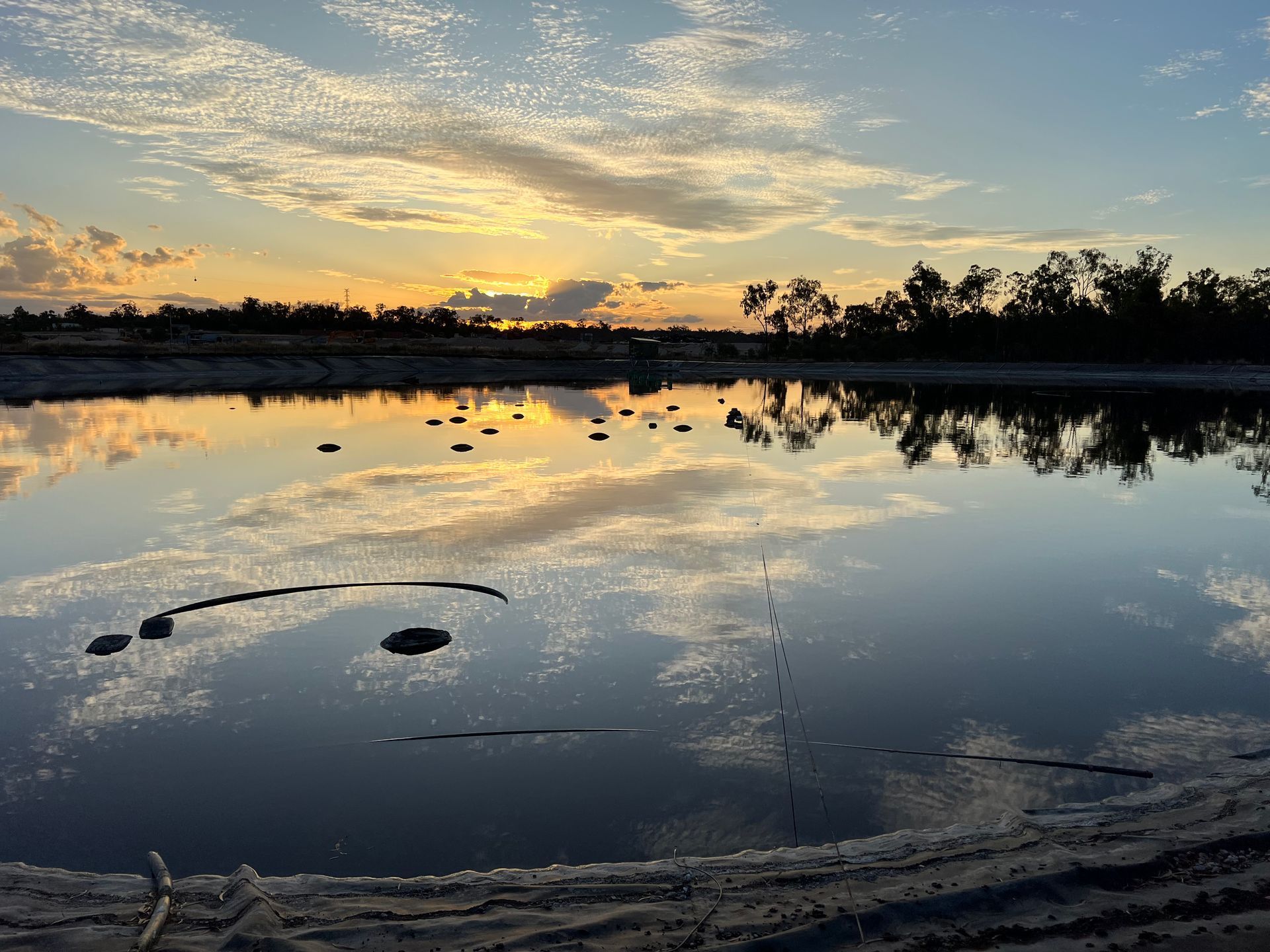
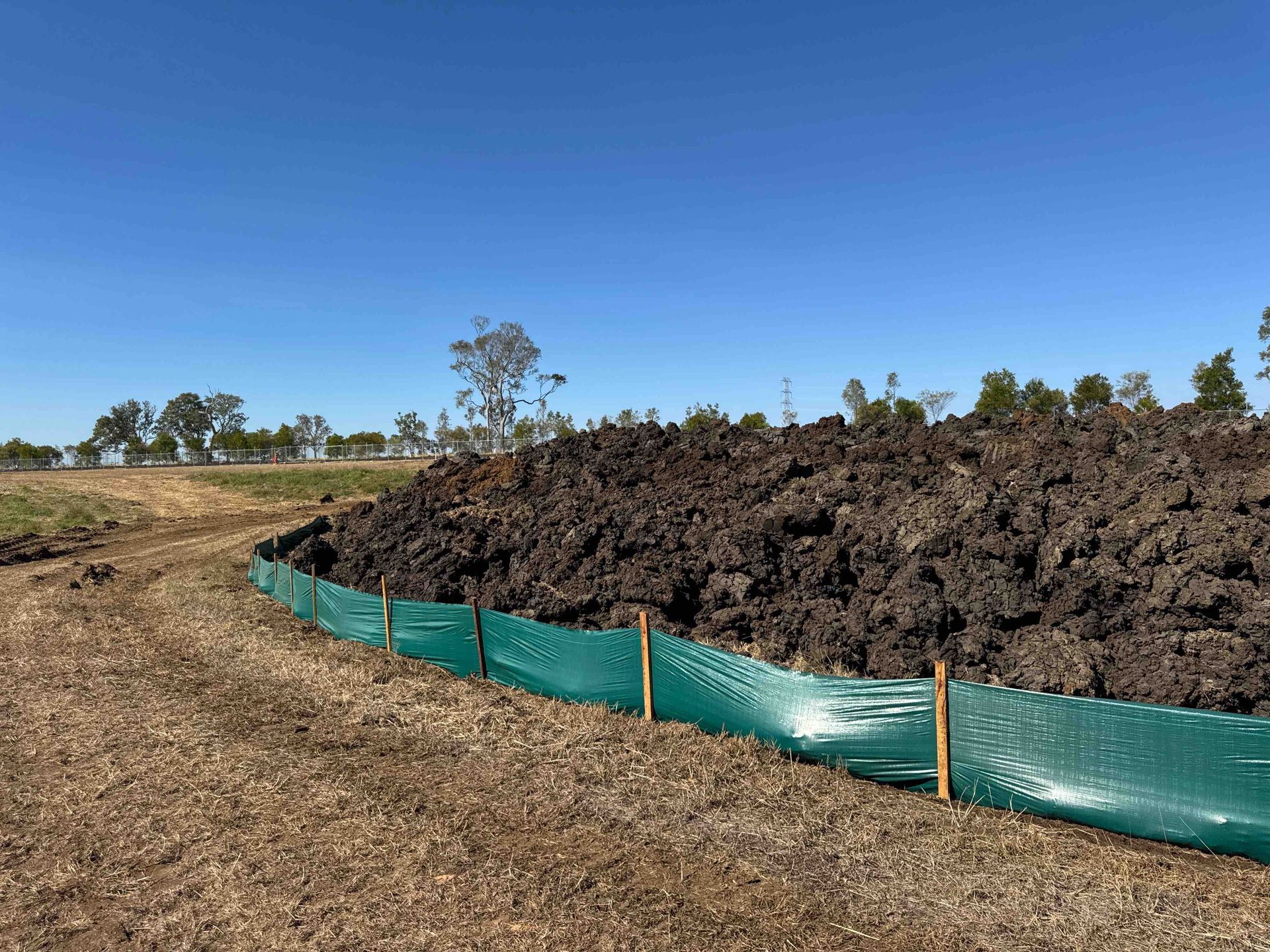
We regularly see sites assume that because they hold approval for an ERA, they can undertake anything that falls within that ERA. That’s not how Environmental Authorities work. An EA does not approve the full scope of what an ERA could include. It approves what you applied for — including the way the activity is undertaken, the infrastructure used, the controls you committed to and the scale and intensity you described. Sometimes, there are some obvious limitations set by your EA per ERA. For example, you may hold ERA 54 Mechanical Waste Processing, Threshold 2 (general waste), therefore, if you want to take regulated waste, you know that you aren't licenced to do so, as it is Threshold 3 & 4. It's the more subtle changes where things can come unstuck, particularly in the waste management ERA space. What Your EA Actually Covers When your EA is granted, it is based on a specific proposal. That proposal includes: The activity itself Where it will occur What materials or wastes are involved How it will be undertaken What controls are in place to manage environmental risk That combination forms the risk profile that was assessed and approved. It is not a blanket approval for all variations of that activity/ERA. Where Sites Get Caught Out Most non-compliances in this space are not deliberate. They come from operational changes that seem minor at the time: Moving an activity to a more convenient location Scaling up volumes Changing inputs slightly Adjusting how something is managed day-to-day Individually, these can seem insignificant. But from a regulatory perspective, they can fundamentally change the risk to environmental values — which means they fall outside what was originally approved. Example 1 – Crushing Concrete under ERA 54 You are approved to undertake crushing concrete under ERA 54. What was approved: Crushing within an enclosed building Dust suppression sprays on the machine Settled dust wet cleaned within bunded area, and vac truck removed offsite to be disposed at facility that is licenced to accept it You now want to undertake crushing outdoors. It’s still crushing — so it feels like it should be fine. But the risk profile is no longer the same: Dust is no longer contained and can travel offsite Fine material can be mobilised into stormwater Noise is no longer attenuated by the building (for offsite sensitive receptors/neighbours) Wind becomes a factor The original approval was based on a controlled system. Moving outdoors changes how emissions behave and where they end up. Example 2 – Wastewater Reprocessing under ERA 55 You are approved to receive and reprocess wastewater in ponds. What was approved: A purpose-built pond with engineering design Construction Quality Assurance (CQA) completed Leak detection system installed Groundwater monitoring bores in place Defined and assessed allowable inputs You now want to construct another pond, or accept a slightly different input. Again, this appears similar. But, because you think you are already approved for this activity, you aren't putting together an EA application which steps through all the requirements, and therefore, some aspects get missed: If the new pond is missing any of those design or verification elements, seepage risk increases Without monitoring or leak detection, early warning systems are lost Different inputs may behave differently in storage or treatment (for example, odour risk) The original assessment of contaminants and volumes may no longer apply Even if the pond looks the same, the certainty of performance and level of risk is not the same. Example 3 – Other Activities under ERA 55 You are the same site as Example 2, already approved under ERA 55 to receive and reprocess wastewater in ponds. You now want to treat contaminated soils using stabilisation (e.g. lime dosing). It’s still ERA 55 — so it feels like you should be covered. But let's think about what was approved: Treatment of liquid waste in lined ponds Risks primarily related to odour, pond failure, seepage and groundwater What changes: Dust generation from handling soils Airborne contaminants and exposure pathway To be undertaken in an unlined, unbunded area Stormwater contamination from open treatment areas Land contamination risks Potential for offsite reuse (if uncontrolled, contamination of other sites) Same ERA — completely different risk. The original EA for wastewater ponds does not consider these impacts, so the new activity has not been approved. Why “Almost the Same” Isn’t the Same A key point that is often missed is this: Environmental risk is driven by more than just the activity itself. It is driven by: How emissions are generated How they are controlled The pathways they can travel The receptors they can reach Small changes to any of these can significantly change the outcome. Two activities that look identical operationally can have very different impacts once you consider odour, dust, surface water, noise, or groundwater pathways. When Do You Need an EA Amendment? As a general rule: Assume an EA Amendment is required. Request a pre-lodgement meeting, be clear about the change you are thinking of, and take guidance from the assessing officers. This is not a space for “we’ll just make the change and see how it goes”. Why It Matters Operating outside the scope of your EA is not just a paperwork issue. It can result in: Non-compliance with conditions Environmental harm or nuisance Regulatory action Be issued a stop works notice, essentially cutting off your source of income Costly and time-consuming remediation or retrospective approvals We often see sites end up in a far more difficult position trying to justify a change after the fact, rather than assessing it properly upfront. In Closing Your EA is not an approval for everything that falls under the ERA listed on your licence. It is approval for what you applied for — a specific activity, undertaken in a specific way, with specific controls. If those things change, your approval may no longer apply. That’s why the detail in your original EA application — and any amendments — matters. What you describe is what gets assessed, and ultimately, is what you are approved to do. If your operations are evolving, don’t assume you’re covered. Stop, assess the risk, and confirm whether an amendment is required. Give us a call to discuss your waste-related activities — whether it’s an original EA application or an amendment. Last updated 29 March 2026. This information is general in nature, may not be current, and may not be applicable to your specific circumstances. It should not be used as a substitute for site-specific professional advice.